
A nurse is providing teaching to a client who is receiving medroxyprogesterone IM for contraception.
Which of the following statements by the client indicates an understanding of the teaching?
"I should increase my calcium intake while taking this medication.”
"I should discontinue this medication if I experience spotting.”
"I will need to return to the clinic in 8 weeks for my next injection.”
"I will get two shots each time I receive this medication.”
"I will get two shots each time I receive this medication.”
The Correct Answer is A
“I should increase my calcium intake while taking this medication.” A client who is receiving medroxyprogesterone IM for contraception should increase their calcium intake while taking this medication .
Medroxyprogesterone can cause loss of bone mineral density which can increase the risk of osteoporosis. Increasing calcium intake can help maintain bone health.

Choice B, “I should discontinue this medication if I experience spotting,” is not an answer because spotting is a common side effect of medroxyprogesterone and does not require discontinuation of the medication.
Choice C, “I will need to return to the clinic in 8 weeks for my next injection,” is not an answer because medroxyprogesterone IM is given every 3 months, not every 8 weeks.
Choice D, “I will get two shots each time I receive this medication,” is not an answer because only one injection is given at a time.
Nursing Test Bank
Naxlex Comprehensive Predictor Exams
Related Questions
Correct Answer is C
Explanation
During phototherapy, one or more lights will be placed above the newborn.
The newborn will be undressed except for a diaper and placed on their back to absorb the most light.
Eye covers will be used to protect their eyes from the light.

Choice A) is not correct because glucose water is not mentioned as necessary during phototherapy.
Choice B) is not correct because the newborn should be undressed except for a
diaper during therapy.
Choice D) is not correct because applying lotion to the newborn’s skin is not mentioned as necessary during phototherapy.
Correct Answer is D
Explanation
A third-degree perineal laceration is a tear that extends through the vaginal tissue, perineal skin, and perineal muscles and involves the anal sphincter.
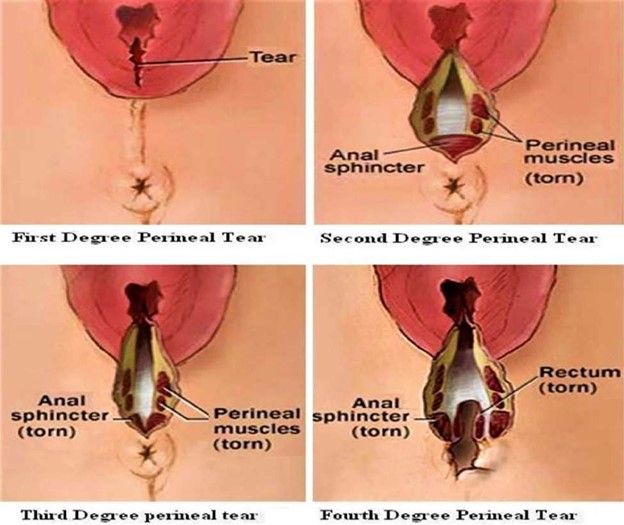
This type of laceration requires careful repair and management to prevent complications such as infection, fecal incontinence, and pain.
Choice A is incorrect because abdominal distention is not a contraindication to the use of a suppository.
Choice B is incorrect because afterpains are common postpartum uterine contractions and are not a contraindication to the use of a suppository.
Choice C is incorrect because vaginal candidiasis is a fungal infection and is not a contraindication to the use of a suppository.
Whether you are a student looking to ace your exams or a practicing nurse seeking to enhance your expertise , our nursing education contents will empower you with the confidence and competence to make a difference in the lives of patients and become a respected leader in the healthcare field.
Visit Naxlex, invest in your future and unlock endless possibilities with our unparalleled nursing education contents today