
A nurse is caring for a newborn who is 6 hours old and has a bedside glucometer reading of 65 mg/dL. The newborn's mother has type 2 diabetes mellitus.
Which of the following actions should the nurse take?
Feed the newborn immediately.
Administer 50 mL of dextrose solution IV.
Reassess the blood glucose level prior to the next feeding.
Obtain a blood sample for a serum glucose level.
The Correct Answer is A
A bedside glucometer reading of 65 mg/dL is within the normal range for a newborn who is 6 hours old.
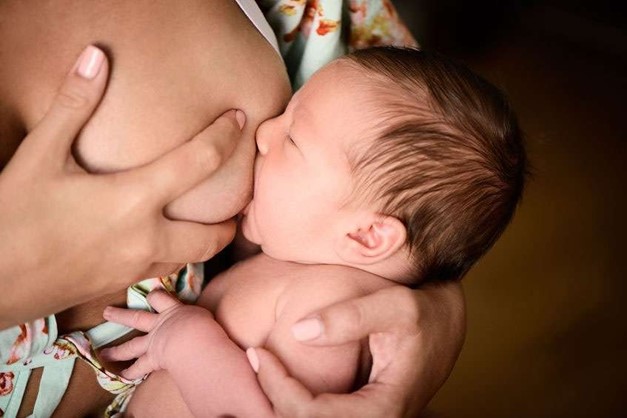
Feeding the newborn can help maintain their blood glucose level.
Choice B is not an answer because administering 50 mL of dextrose solution IV is not necessary for a newborn with a normal blood glucose level.
Choice C is not an answer because reassessing the blood glucose level prior to the next feeding is not necessary for a newborn with a normal blood glucose level.
Choice D is not an answer because obtaining a blood sample for a serum glucose
level is not necessary for a newborn with a normal blood glucose level.
Nursing Test Bank
Naxlex Comprehensive Predictor Exams
Related Questions
Correct Answer is ["1227"]
Explanation
Naegele’s rule is a method for estimating the due date of a baby based on the woman’s last menstrual period (LMP).
It involves adding seven days and subtracting three months from the first day of the LMP.
It assumes a 28-day menstrual cycle and a 280-day gestation period, which may vary for different women 1.
Using this rule, if the client’s last menstrual period was March 20, then adding seven days would give March 27.
Subtracting three months would give December 27 of the previous year.
Adding one year would give December 27 of the current year, which is the estimated date of delivery in MMDD format: 1227.
Correct Answer is B
Explanation
A client who is 80% effaced and 8 cm dilated is in active labor and at risk for postpartum hemorrhage.
Choice A is not an answer because ectopic pregnancy occurs when a fertilized egg implants outside of the uterus and is not a risk for a client who is in active labor.
Choice C is not an answer because an incompetent cervix refers to a cervix that dilates prematurely during pregnancy and is not a risk for a client who is in active labor.
Choice D is not an answer because hyperemesis gravidarum refers to severe nausea and vomiting during pregnancy and is not a risk for a client who is in active labor.
Whether you are a student looking to ace your exams or a practicing nurse seeking to enhance your expertise , our nursing education contents will empower you with the confidence and competence to make a difference in the lives of patients and become a respected leader in the healthcare field.
Visit Naxlex, invest in your future and unlock endless possibilities with our unparalleled nursing education contents today