
A nurse is providing teaching to a group of clients about retaining nutrients when preparing fruits and vegetables. Which of the following client statements indicates an understanding of the teaching?
“I soak fruits in water before peeling them.”
“I cook vegetables for the week and reheat them at each meal.”
“I boil vegetables on the stove until they are soft.”
“I keep my ripe fruits refrigerated until I eat them.”
The Correct Answer is D
Choice A reason: Soaking fruits in water before peeling them is not a good practice for retaining nutrients because it can cause water-soluble vitamins, such as vitamin C and B-complex vitamins, to leach out into the water. It is better to wash fruits briefly under running water and peel them as thinly as possible.
Choice B reason: Cooking vegetables for the week and reheating them at each meal is not a good practice for retaining nutrients because it can cause nutrient losses due to exposure to heat, light, air, and water. It is better to cook vegetables as close to the time of consumption as possible and use minimal water and cooking time.
Choice C reason: Boiling vegetables on the stove until they are soft is not a good practice for retaining nutrients because it can cause significant nutrient losses due to high temperature and long cooking time. It is better to steam, microwave, or stir-fry vegetables until they are crisp-tender and retain their color and texture.
Choice D reason: Keeping ripe fruits refrigerated until eating them is a good practice for retaining nutrients because it can slow down the ripening process and prevent spoilage. Refrigeration can preserve the freshness, flavor, and nutritional value of fruits. However, some fruits, such as bananas, tomatoes, and avocados, should not be refrigerated because they can lose their quality and taste.
Nursing Test Bank
Naxlex Comprehensive Predictor Exams
Related Questions
Correct Answer is D
Explanation
Choice A reason: A pump is usually needed to administer intermittent tube feedings, as it can control the flow rate and volume of the formula. A pump can also prevent overfeeding, aspiration, or diarrhea.
Choice B reason: Administering feedings over 10 to 20 minutes is too fast, as it can cause abdominal cramps, nausea, vomiting, or dumping syndrome. Intermittent tube feedings should be administered over 30 to 60 minutes.
Choice C reason: Administering feedings while sleeping at night is not recommended, as it can increase the risk of aspiration, reflux, or infection. Intermittent tube feedings should be administered during waking hours and with the head of the bed elevated at least 30 degrees.
Choice D reason: Advancing the rate of feedings slowly is advisable, as it can help the body adjust to the formula and prevent intolerance or complications. The rate should be increased gradually until the desired goal is reached.
Correct Answer is D
Explanation
Choice A reason: Gelatin is an incomplete protein, meaning it does not contain all nine essential amino acids that the body cannot synthesize.
Choice B reason: Legumes are incomplete proteins, but they can be combined with grains, nuts, seeds, or dairy products to form complete proteins.
Choice C reason: Almonds are incomplete proteins, but they can be combined with other foods to form complete proteins.
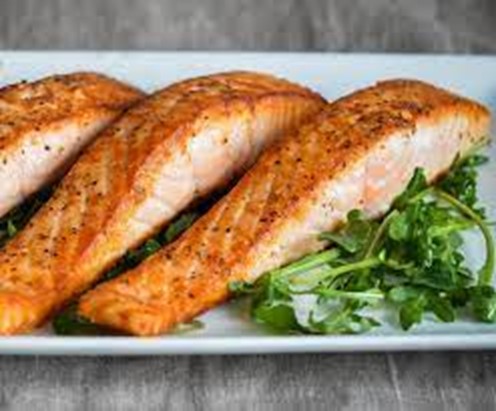
Choice D reason: Salmon is a complete protein, meaning it contains all nine essential amino acids that the body needs.
Whether you are a student looking to ace your exams or a practicing nurse seeking to enhance your expertise , our nursing education contents will empower you with the confidence and competence to make a difference in the lives of patients and become a respected leader in the healthcare field.
Visit Naxlex, invest in your future and unlock endless possibilities with our unparalleled nursing education contents today