
A nurse is providing dietary teaching to a client about sources of protein. The nurse should identify which of the following foods are complete proteins?
Gelatin
Legumes
Almonds
Salmon
The Correct Answer is D
Choice A reason: Gelatin is an incomplete protein, meaning it does not contain all nine essential amino acids that the body cannot synthesize.
Choice B reason: Legumes are incomplete proteins, but they can be combined with grains, nuts, seeds, or dairy products to form complete proteins.
Choice C reason: Almonds are incomplete proteins, but they can be combined with other foods to form complete proteins.
Choice D reason: Salmon is a complete protein, meaning it contains all nine essential amino acids that the body needs.

Nursing Test Bank
Naxlex Comprehensive Predictor Exams
Related Questions
Correct Answer is A
Explanation
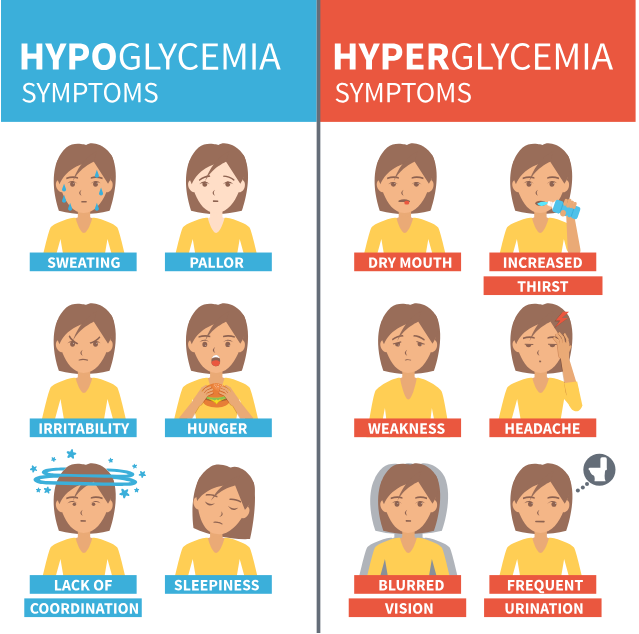
Choice A reason: Checking blood glucose level is an appropriate action for the nurse to take because it can help determine if the client has hypoglycemia or hyperglycemia, which are both complications of diabetes mellitus that can cause dizziness and weakness. Blood glucose level should be checked using a glucometer and compared with the normal range of 70 to 130 mg/dL before meals and less than 180 mg/dL after meals.
Choice B reason: Giving insulin injection is not an appropriate action for the nurse to take without checking blood glucose level first because it may cause hypoglycemia, which is a condition in which blood glucose level drops below 70 mg/dL and can cause dizziness, weakness, confusion, sweating, and seizures. Insulin injection should be given according to the prescribed dose, type, and schedule.
Choice C reason: Offering orange juice is not an appropriate action for the nurse to take without checking blood glucose level first because it may cause hyperglycemia, which is a condition in which blood glucose level rises above 180 mg/dL and can cause dizziness, weakness, thirst, polyuria, and ketoacidosis. Orange juice should be offered only if the client has hypoglycemia and is conscious and able to swallow.
Choice D reason: Applying cold compress is not an appropriate action for the nurse to take because it does not address the underlying cause of dizziness and weakness in a client who has diabetes mellitus. Cold compress may worsen the symptoms by reducing blood flow and oxygen delivery to the brain. Cold compress should be applied only if the client has fever, inflammation, or pain.
Correct Answer is A
Explanation
Choice A reason: Alternating the first breast that is offered to the baby with each feeding can help ensure equal stimulation and drainage of both breasts, and prevent engorgement, mastitis, or milk supply problems.
Choice B reason: Storing breastmilk in the refrigerator up to 48 hours is not recommended, as it can reduce the quality and quantity of antibodies and nutrients in the milk. The optimal storage time for breastmilk in the refrigerator is up to 24 hours.
Choice C reason: Nursing the baby once every 4 hours is not sufficient, as it can lead to insufficient milk intake, dehydration, weight loss, or jaundice in the baby. The baby should be nursed on demand, or at least every 2 to 3 hours during the day and every 4 hours at night.
Choice D reason: Offering the baby water between feedings is not necessary, as it can interfere with breastfeeding and cause water intoxication or electrolyte imbalance in the baby. Breastmilk provides enough hydration and nutrition for the baby.
Whether you are a student looking to ace your exams or a practicing nurse seeking to enhance your expertise , our nursing education contents will empower you with the confidence and competence to make a difference in the lives of patients and become a respected leader in the healthcare field.
Visit Naxlex, invest in your future and unlock endless possibilities with our unparalleled nursing education contents today