
A nurse is providing teaching to the parents of a 6-month-old infant who is beginning to eat solid foods. The nurse should identify which of the following findings as an indication of an allergic reaction?
Fever
Jaundice
Bruising
Diarrhea
The Correct Answer is D
Choice A reason: Fever is not an indication of an allergic reaction, as it is a sign of infection or inflammation. The nurse should assess the infant for other causes of fever, such as ear infection, urinary tract infection, or viral illness.
Choice B reason: Jaundice is not an indication of an allergic reaction, as it is a sign of liver dysfunction or hemolysis. The nurse should evaluate the infant for other causes of jaundice, such as hepatitis, biliary atresia, or hemolytic anemia.
Choice C reason: Bruising is not an indication of an allergic reaction, as it is a sign of trauma or bleeding disorder. The nurse should examine the infant for other causes of bruising, such as injury, coagulopathy, or leukemia.
Choice D reason: Diarrhea is an indication of an allergic reaction, as it is a sign of gastrointestinal hypersensitivity or intolerance. The nurse should ask the parents about the infant's food intake, history of allergies, and symptoms of anaphylaxis, such as hives, swelling, or difficulty breathing.
Nursing Test Bank
Naxlex Comprehensive Predictor Exams
Related Questions
Correct Answer is A
Explanation
Choice A reason: Confusion and weakness are signs of dehydration and electrolyte imbalance, which can result from vomiting and diarrhea. These are serious complications that can affect the client's mental status, blood pressure, heart rate, and kidney function. The nurse should report these changes to the provider and monitor the client's vital signs and fluid status.
Choice B reason: Dry oral mucosa and furrowed tongue are also signs of dehydration, but they are less severe than confusion and weakness. The nurse should report these changes to the provider as well, but they are not the most urgent ones.
Choice C reason: Clear lungs bilaterally are a normal finding and do not indicate any change in the client's condition. The nurse should document this finding, but it does not require reporting to the provider.
Choice D reason: A soft and non-tender abdomen is a normal finding and does not indicate any change in the client's condition. The nurse should document this finding, but it does not require reporting to the provider.
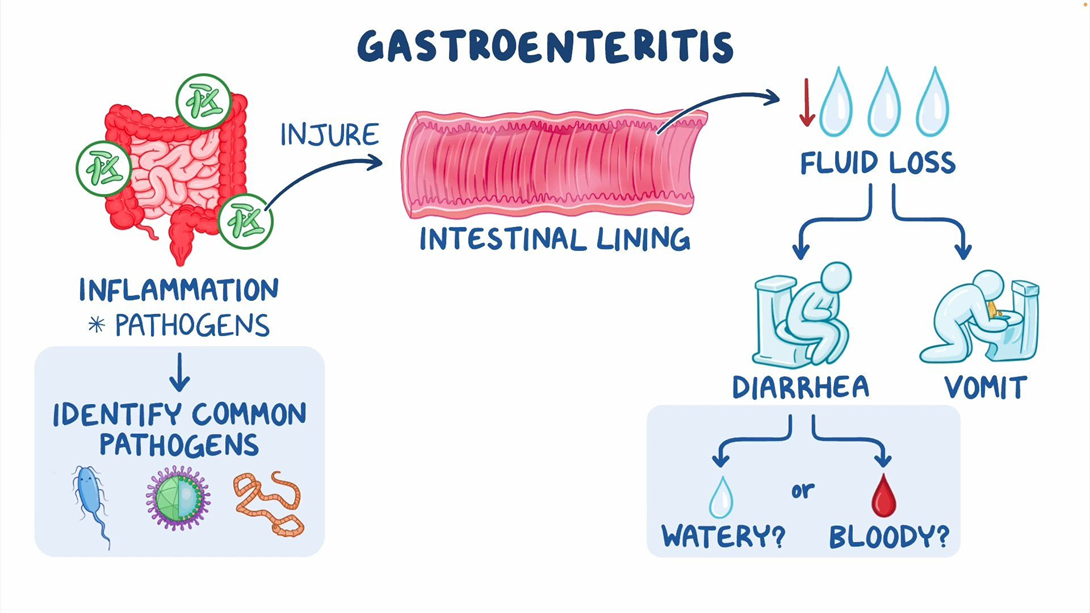
Correct Answer is B
Explanation
Choice A reason: Cheddar cheese is not a good food choice for maintaining water intake, as it contains only about 37% water¹. Cheese and other dairy products are also high in sodium, which can increase the water loss through urine.
Choice B reason: Broccoli is a good food choice for maintaining water intake, as it contains about 89% water². Broccoli and other vegetables are also rich in vitamins, minerals, and antioxidants, which can benefit the child's health and hydration.
Choice C reason: Whole-wheat bread is not a good food choice for maintaining water intake, as it contains only about 35% water³. Bread and other grains are also high in carbohydrates, which can increase the water retention in the body.
Choice D reason: Almonds are not a good food choice for maintaining water intake, as they contain only about 4% water⁴. Almonds and other nuts are also high in fat and calories, which can contribute to weight gain and inflammation.
Whether you are a student looking to ace your exams or a practicing nurse seeking to enhance your expertise , our nursing education contents will empower you with the confidence and competence to make a difference in the lives of patients and become a respected leader in the healthcare field.
Visit Naxlex, invest in your future and unlock endless possibilities with our unparalleled nursing education contents today