
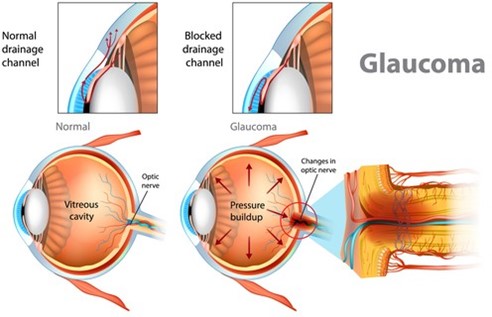
A nurse is reinforcing discharge teaching with a client who is postoperative following laser surgery for open- angle glaucoma. Which of the following statements by the client indicates an understanding of the instructions?
I will take a stool softener to prevent constipation
I will ask to work the night shift, so I will not be driving in bright sunlight
I will need to use my eye drops for 1 year
I will need to follow a low-protein diet
The Correct Answer is A
a ."I will take a stool softener to prevent constipation."
Explanation:
The statement that indicates an understanding of the instructions is "I will take a stool softener to prevent constipation."
Explanation for the other options:
b. "I will ask to work the night shift, so I will not be driving in bright sunlight."
This statement is incorrect. The need to work the night shift to avoid bright sunlight does not relate to the discharge instructions for a client postoperative following laser surgery for open-angle glaucoma. The primary focus of discharge teaching for this condition would be related to eye care, medication administration, and follow-up appointments.
c. "I will need to use my eye drops for 1 year."
This statement is incorrect. While eye drops are commonly prescribed for open-angle glaucoma, the duration of their use can vary based on the individual's condition and the healthcare provider's instructions. The client should follow the specific instructions given by their healthcare provider regarding the frequency and duration of eye drop use.
d. "I will need to follow a low-protein diet."
This statement is incorrect. A low-protein diet is not typically part of the discharge instructions for a client postoperative following laser surgery for open-angle glaucoma. The focus of dietary recommendations for open-angle glaucoma is on maintaining a healthy diet and managing other health conditions that may affect intraocular pressure, such as high blood pressure or diabetes.
In summary, the statement that demonstrates an understanding of the discharge instructions for a client postoperative following laser surgery for open-angle glaucoma is "I will take a stool softener to prevent constipation." This indicates the client's awareness of the importance of preventing constipation, which can be a side effect of some medications prescribed after surgery.
Nursing Test Bank
Naxlex Comprehensive Predictor Exams
Related Questions
Correct Answer is C
Explanation
Answer: C. Weigh the client each morning after voiding
Rationale:
A. Encourage the client to gain 2.3 kg (5 lb) per week:
A weight gain goal of 0.5 to 1 kg (1 to 2 lb) per week is considered safe and realistic. Gaining 2.3 kg (5 lb) weekly is too aggressive and may cause physical and psychological stress for the client.
B. Monitor the client for 15 min after meals:
Clients with anorexia nervosa are at risk for purging behaviors. Monitoring for only 15 minutes is insufficient. A 60-minute post-meal observation period is more appropriate to deter vomiting or excessive exercise.
C. Weigh the client each morning after voiding:
Daily weights, taken at the same time each morning after voiding and before eating, provide consistent and accurate data to monitor progress and detect manipulation or fluid shifts.
D. Reinforce teaching about healthy eating during meals:
Reinforcing education during meals can increase the client’s anxiety and resistance to eating. Teaching is best done separately from mealtimes to avoid associating eating with stress.
Correct Answer is A
Explanation
After a patient dies, postmortem care includes preparing them for family viewing . The nurse should place the body in the supine position, with the arms at the sides and the head on a pillow. Then elevate the head of the bed 30 degrees to prevent discoloration from blood setling in the face.
The other options are not correct because:
b) The nurse should cleanse the client's body while wearing appropriate personal protective equipment (PPE) based on indications for isolation precautions, not necessarily sterile gloves.
c) If the patient wore dentures and your facility’s policy permits, gently insert them; then close the mouth.
d) The nurse should close the eyes by gently pressing on the lids with their fingertips. If they don’t stay closed, place moist coton balls on the eyelids for a few minutes, and then try again to close them. Surgical tape is not mentioned as necessary .
Whether you are a student looking to ace your exams or a practicing nurse seeking to enhance your expertise , our nursing education contents will empower you with the confidence and competence to make a difference in the lives of patients and become a respected leader in the healthcare field.
Visit Naxlex, invest in your future and unlock endless possibilities with our unparalleled nursing education contents today