
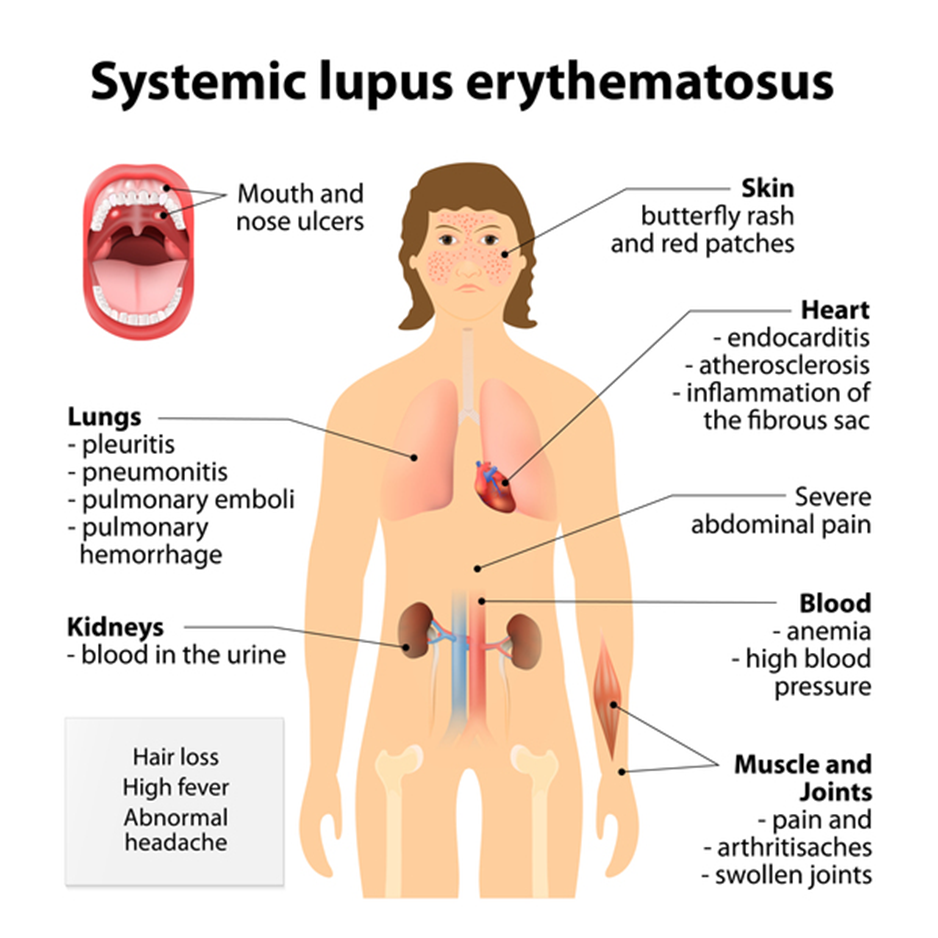
A nurse is reinforcing skin care teaching with a client who has systemic lupus erythematosus. Which of the following statements by the client indicates an understanding of the teaching? (Select all that apply.)
"I will apply an SPF 30 sunscreen before gardening."
"I should cleanse reddened areas of my face with an astringent."
"I will gently pat my skin dry after bathing."
"I should apply lotion to my skin twice daily."
Correct Answer : A,C,D
Choice A reason: Applying an SPF 30 sunscreen before gardening is an appropriate statement, as it indicates that the client understands the importance of protecting their skin from sun exposure, which can trigger or worsen lupus flare-ups and cause skin rashes or lesions.
Choice B reason: Cleansing reddened areas of their face with an astringent is not an appropriate statement, as it indicates that the client does not understand that astringents can irritate or dry out their skin and aggravate their condition. The client should use mild soap and water or moisturizing cleanser to wash their face gently.
Choice C reason: Gently patting their skin dry after bathing is an appropriate statement, as it indicates that the client understands how to avoid rubbing or scratching their skin, which can cause injury or infection and delay healing.
Choice D reason: Applying lotion to their skin twice daily is an appropriate statement, as it indicates that the client understands how to keep their skin hydrated and prevent dryness or cracking that can increase their risk of infection or inflammation.
Choice E reason: Limiting time on tanning beds to 10 minutes is not an appropriate statement, as it indicates that the client does not understand that tanning beds emit ultraviolet rays that can harm their skin and worsen their lupus symptoms. The client should avoid tanning beds altogether and wear protective clothing and sunglasses when outdoors.
Nursing Test Bank
Naxlex Comprehensive Predictor Exams
Related Questions
Correct Answer is C
Explanation
Choice A reason: WBC count 10,000/mm³ is within the normal range of 4,500 to 11,000/mm³ and does not indicate any infection or inflammation.
Choice B reason: BUN 20 mg/dL is within the normal range of 10 to 20 mg/dL and does not indicate any renal impairment or dehydration.
Choice C reason: Creatinine 2.3 mg/dL is above the normal range of 0.6 to 1.2 mg/dL and indicates renal dysfunction or damage, which can be caused by blood loss, hypotension, or nephrotoxic drugs during surgery. The nurse should report this value to the provider and monitor the client for signs of acute kidney injury, such as oliguria, edema, or electrolyte imbalances.

Choice D reason: Hematocrit 41% is within the normal range of 37% to 47% for females and does not indicate any anemia or polycythemia.
Correct Answer is A
Explanation
Choice A reason: Urinating before and after sexual intercourse can help flush out any bacteria that may have entered the urinary tract during sexual activity, and prevent them from causing an infection.
Choice B reason: Increasing milk consumption to make the urine more alkaline is not a recommended instruction, as it may increase the risk of developing kidney stones or calcium deposits in the urinary tract.
Choice C reason: Emptying the bladder at least every 4 hours is a good practice, but not sufficient to prevent urinary tract infections. The nurse should also advise the client to drink plenty of fluids, especially water, to dilute the urine and flush out bacteria.
Choice D reason: Using vaginal douche once a week is not a recommended instruction, as it may alter the normal flora of the vagina and increase the risk of infection. The nurse should advise the client to avoid using any products that may irritate the genital area, such as perfumed soaps, sprays, or powders.
Choice E reason: Drinking cranberry juice daily is not a proven method to prevent urinary tract infections, although some studies suggest that it may have some benefits. The nurse should inform the client that cranberry juice may interact with some medications, such as warfarin, and that it may also increase the acidity of the urine, which can cause discomfort or burning sensation.
Whether you are a student looking to ace your exams or a practicing nurse seeking to enhance your expertise , our nursing education contents will empower you with the confidence and competence to make a difference in the lives of patients and become a respected leader in the healthcare field.
Visit Naxlex, invest in your future and unlock endless possibilities with our unparalleled nursing education contents today