
A nurse is reinforcing teaching with a client who is at 17 weeks of gestation and is scheduled to have a maternal serum alpha-fetoprotein (MSAFP) determination.
Which of the following information should the nurse include?
This test will screen for gestational diabetes.
This test will screen for fetal maturity.
This test will screen for neural tube defects.
This test will screen for ABO incompatibility.
The Correct Answer is C
The MSAFP test measures the levels of alpha-fetoprotein (AFP) in the mother’s body.
AFP is a protein produced by the baby during pregnancy.
Too much AFP in the mother’s body may indicate that the baby is at risk of a neural tube defect, like spina bifida.
Choice A is incorrect because this test does not screen for gestational diabetes.
Choice B is incorrect because this test does not screen for fetal maturity.
Choice D is incorrect because this test does not screen for ABO incompatibility.
Nursing Test Bank
Naxlex Comprehensive Predictor Exams
Related Questions
Correct Answer is B
Explanation
A nurse would recommend having crackers handy at the bedside and eating a few before getting out of bed to alleviate nausea in the early morning for a pregnant woman 1.
Eating foods that don’t aggravate your stomach, such as crackers, can help limit morning sickness.
Choice A is not an answer because eating three well-balanced meals per day and limiting snacks may not help alleviate nausea.
Eating small meals can help limit morning sickness.
Choice C is not an answer because drinking a full glass of fluid at the beginning of each meal may not help alleviate nausea.
Drinking throughout the day, not just when you are thirsty, can help limit morning sickness.
Choice D is not an answer because eating a bland diet and avoiding concentrated sweets may not help alleviate nausea.
Eating foods that don’t aggravate your stomach can help limit morning sickness.
Correct Answer is C
Explanation
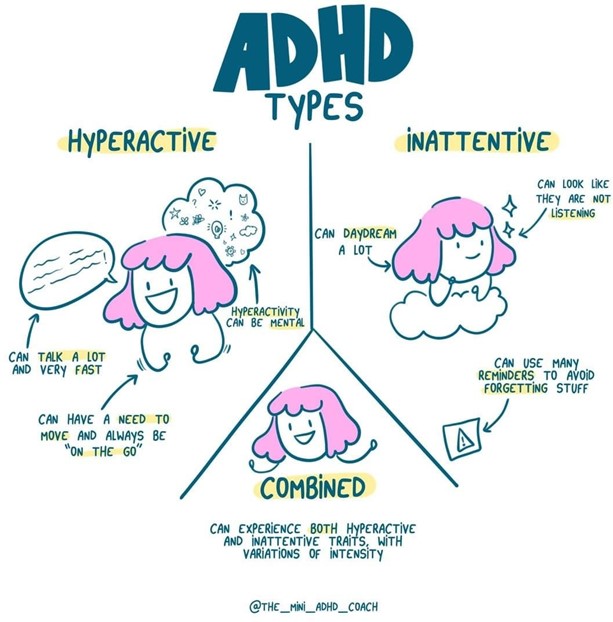
ADHD primarily causes symptoms related to inattention, hyperactivity-impulsivity, or a combination of both.
With ADHD, someone may experience difficulties paying attention and staying organized.
Choice A is not correct because difficulty in acquiring reading skills is not a specific symptom of ADHD.
Choice B is not correct because difficulty using words in context is not a specific symptom of ADHD.
Choice D is not correct because difficulty performing self-grooming activities is not a specific symptom of ADHD.
Whether you are a student looking to ace your exams or a practicing nurse seeking to enhance your expertise , our nursing education contents will empower you with the confidence and competence to make a difference in the lives of patients and become a respected leader in the healthcare field.
Visit Naxlex, invest in your future and unlock endless possibilities with our unparalleled nursing education contents today