
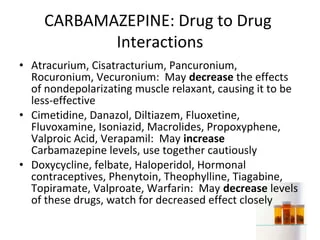
A nurse is reviewing the list of current medications for a client who is to start a new prescription for carbamazepine. The nurse should identify which of the following medications interacts with carbamazepine.
Estrogen-progestin combination
Nicotine transdermal system
Diphenhydramine
Beclomethasone
The Correct Answer is A
A. Estrogen-progestin combination:
Correct Answer: This medication interacts with carbamazepine.
Explanation: Carbamazepine is known to induce certain liver enzymes, including cytochrome P450 enzymes. These enzymes play a role in the metabolism of various medications, including estrogen-containing oral contraceptives (estrogen-progestin combinations). Carbamazepine can increase the metabolism of estrogen-progestin combinations, potentially reducing their effectiveness and increasing the risk of contraceptive failure. Therefore, this interaction can lead to decreased contraceptive efficacy and the potential for unintended pregnancy.
B. Nicotine transdermal system:
Incorrect Explanation: This medication does not interact with carbamazepine.
Explanation: Nicotine replacement therapies, such as nicotine transdermal systems, are not known to have significant interactions with carbamazepine. These therapies are primarily used to aid in smoking cessation and do not share metabolic pathways with carbamazepine.
C. Diphenhydramine:
Incorrect Explanation: This medication does not interact with carbamazepine.
Explanation: Diphenhydramine is an antihistamine used for allergies and as a sleep aid. It does not have a well-established interaction with carbamazepine. However, it's important to note that carbamazepine can have central nervous system (CNS) effects, so caution should be exercised when combining it with other medications that also have CNS effects.
D. Beclomethasone:
Incorrect Explanation: This medication does not interact with carbamazepine.
Explanation: Beclomethasone is a corticosteroid used to manage inflammation associated with conditions like asthma and allergic rhinitis. It is not known to interact with carbamazepine. These two medications have different mechanisms of action and do not share significant metabolic pathways.
Nursing Test Bank
Naxlex Comprehensive Predictor Exams
Related Questions
Correct Answer is A
Explanation
A. Correct Answer: St. John's Wort
Explanation: The nurse should advise the client to avoid taking St. John's Wort. St. John's Wort is an herbal supplement commonly used to treat depression and anxiety. However, it can have significant interactions with various medications, including sertraline. Sertraline is an antidepressant that belongs to the selective serotonin reuptake inhibitor (SSRI) class. St. John's Wort can increase serotonin levels in the brain, and when combined with medications that also affect serotonin levels (such as sertraline), it can lead to a potentially dangerous condition known as serotonin syndrome. Therefore, it's important to avoid St. John's Wort while taking sertraline to prevent adverse effects and interactions.
B. Incorrect Explanation: Coenzyme Q10
Explanation: Coenzyme Q10 (CoQ10) is a naturally occurring antioxidant that plays a role in energy production within cells. While CoQ10 is generally considered safe, it does not have known interactions with sertraline. Therefore, the nurse would not necessarily advise the client to avoid CoQ10 solely based on its potential interaction with sertraline.
C. Incorrect Explanation: Black Cohosh
Explanation: Black cohosh is an herbal supplement often used to manage symptoms of menopause. It is not typically known to have significant interactions with sertraline. However, it's important for the client to discuss any supplements with their healthcare provider before starting them, especially when taking prescribed medications. The nurse might not necessarily advise the client to avoid black cohosh unless there are specific concerns based on the client's medical history.
D. Incorrect Explanation: Ginger Root
Explanation: Ginger root is a commonly used spice and herbal remedy. It does not have known interactions with sertraline and is generally considered safe for most people. However, as with any supplement, it's a good practice to consult with a healthcare provider before starting it, especially when taking prescribed medications like sertraline. The nurse would not necessarily advise the client to avoid ginger root without specific reasons related to the client's health.
Correct Answer is A
Explanation
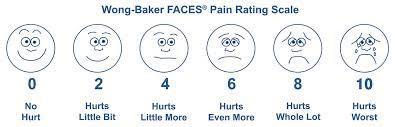
A. For assessing pain in a 4-year-old child following an orthopedic procedure, the nurse should use the FACES pain scale.
The FACES pain scale uses a series of faces with varying expressions, from smiling to crying, to help children express their level of pain. Children are asked to point to the face that best matches how they feel. This scale is particularly useful for young children who may not have the verbal skills to describe their pain accurately using words or numbers.
B. Word-graphic
Explanation: The word-graphic pain scale typically uses a combination of words and drawings to assess pain, making it more suitable for children who are slightly older and can understand simple words and concepts.
C. Numeric
Explanation: The numeric pain scale involves asking the child to rate their pain on a scale from 0 to 10. This scale is more appropriate for older children who can understand and assign numerical values to their pain intensity.
D. CRIES
Explanation: The CRIES pain scale is often used for assessing pain in newborns and infants up to 6 months old. It focuses on crying, oxygen saturation, vital signs, and facial expressions.
Whether you are a student looking to ace your exams or a practicing nurse seeking to enhance your expertise , our nursing education contents will empower you with the confidence and competence to make a difference in the lives of patients and become a respected leader in the healthcare field.
Visit Naxlex, invest in your future and unlock endless possibilities with our unparalleled nursing education contents today