
A nurse is teaching a client who has a prescription for ferrous gluconate. Which of the following statements by the client indicates an understanding of the teaching?
"I should stay upright for at least 15 minutes after taking this medication."
"I should take this medication with 8 ounces of milk."
"I should take an antacid with this medication to prevent stomach upset."
"I should notify my provider if my stools turn black.
The Correct Answer is D
A. "I should stay upright for at least 15 minutes after taking this medication.": This advice is usually given with medications like bisphosphonates to prevent esophageal irritation. It is not necessary for ferrous gluconate.
B. "I should take this medication with 8 ounces of milk.": Iron supplements should not be taken with milk or other dairy products because they can interfere with iron absorption.
C. "I should take an antacid with this medication to prevent stomach upset.": Antacids can also interfere with iron absorption and should be taken separately from iron supplements.
D. "I should notify my provider if my stools turn black."
Ferrous gluconate is an iron supplement used to treat iron deficiency anemia. One common side effect of iron supplementation is the darkening of stools, often to a black color. This is not harmful but is important for the client to be aware of. It is due to the reaction of iron with the acids and enzymes in the gastrointestinal tract.
Nursing Test Bank
Naxlex Comprehensive Predictor Exams
Related Questions
Correct Answer is A
Explanation
A. The nurse who identifies the error:
This choice is correct. When a medication error is identified, the nurse who discovers the error is responsible for completing an incident report. Incident reports are a formal way to document any unexpected or adverse events that occur in a healthcare setting, including medication errors. The report helps track incidents, analyze their causes, and implement preventive measures. It's important for the reporting nurse to provide accurate and detailed information about the error.
B. The Quality Improvement Committee:
This choice is incorrect. While the Quality Improvement (QI) Committee plays a role in analyzing trends, identifying areas for improvement, and developing strategies to enhance patient care quality, they are not typically responsible for completing individual incident reports. The responsibility for reporting and documenting a specific incident, such as a medication error, lies with the staff members directly involved.
C. The charge nurse:
This choice is incorrect. The charge nurse is responsible for overseeing the nursing unit's operations, including staffing and patient care coordination. While the charge nurse may be involved in addressing the situation and ensuring appropriate actions are taken following a medication error, they are not necessarily responsible for completing the incident report. The reporting responsibility usually falls on the nurse who identifies the error.
D. The nurse who caused the error:
This choice is incorrect. While it's important for the nurse who caused the error to communicate the error to appropriate parties and participate in any necessary corrective actions, the primary responsibility for completing the incident report usually lies with the nurse who identifies the error. The reporting nurse's perspective is crucial for understanding the context and details of the error.
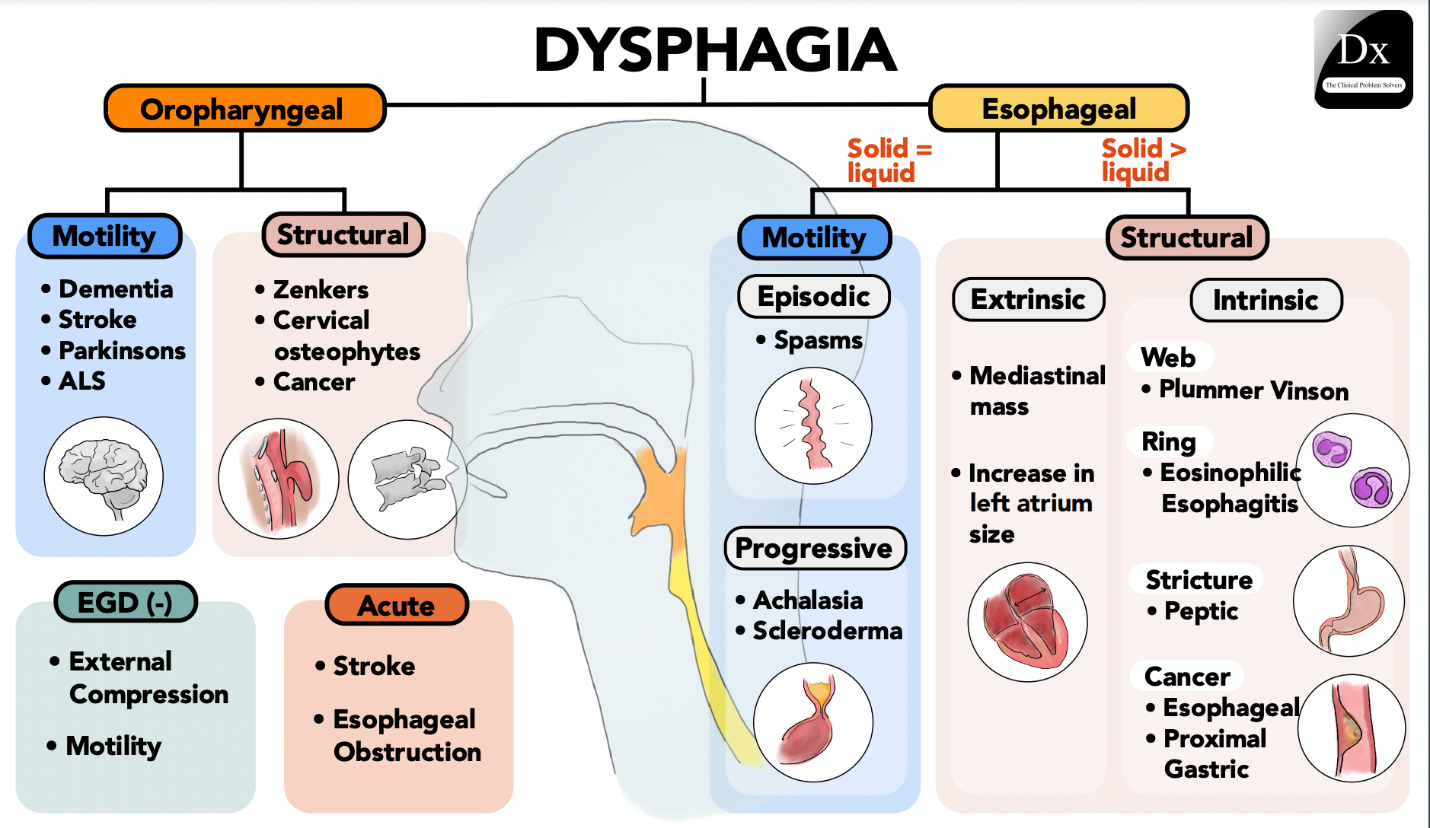
Correct Answer is D
Explanation
A. Place the medications on the back of the client's tongue:
Incorrect Explanation: Placing medications on the back of the tongue can increase the risk of choking and aspiration, especially in individuals with dysphagia.
Explanation: Individuals with dysphagia have difficulty swallowing and are at an increased risk of choking or aspirating (inhaling) substances into the lungs. Placing medications on the back of the tongue can be unsafe and is not recommended.
B. Tilt the client's head back when administering the medications:
Incorrect Explanation: Tipping the head back can worsen swallowing difficulties and increase the risk of choking or aspiration.
Explanation: Tipping the head back can compromise the natural swallowing mechanism and increase the risk of aspiration. It's important to keep the client's head in an upright position to aid safe swallowing.
C. Administer more than one pill to the client at a time:
Incorrect Explanation: Administering multiple pills at once can increase the risk of choking and aspiration, especially in individuals with dysphagia.
Explanation: Administering multiple pills at once can overwhelm the client's ability to swallow safely. This action can increase the risk of choking and aspiration, which is especially dangerous for individuals with dysphagia.
D. Mix the medications with a semisolid food for the client:
Correct Answer: This action is appropriate and safer for administering medications to an older adult client with dysphagia.
Explanation: Mixing medications with semisolid food, such as applesauce or yogurt, can help the client swallow more easily and reduce the risk of choking or aspiration. It's important to check with the healthcare provider or pharmacist to ensure that the medications can be mixed with food and that there are no interactions.
Whether you are a student looking to ace your exams or a practicing nurse seeking to enhance your expertise , our nursing education contents will empower you with the confidence and competence to make a difference in the lives of patients and become a respected leader in the healthcare field.
Visit Naxlex, invest in your future and unlock endless possibilities with our unparalleled nursing education contents today