
A nurse is reviewing the medical record of a client who has hyperthyroidism (Graves disease). Which of the following serum laboratory findings should the nurse expect to be below the expected reference range?
Thyroxine (T4) level
Triiodothyronine (T3) level
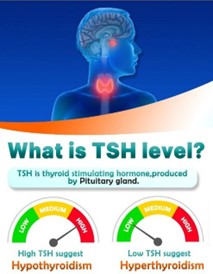
Thyroid stimulating hormone (TSH) level
Glucose level
The Correct Answer is C
Choice A: Thyroxine (T4) level. This is incorrect because T4 is one of the thyroid hormones that is increased in hyperthyroidism. T4 is produced by the thyroid gland and converted to T3 in the tissues. A high level of T4 indicates overactivity of the thyroid gland.1
Choice B: Triiodothyronine (T3) level. This is incorrect because T3 is another thyroid hormone that is increased in hyperthyroidism. T3 is the more active form of thyroid hormone and regulates the metabolism of cells. A high level of T3 indicates overactivity of the thyroid gland.1
Choice C: Thyroid stimulating hormone (TSH) level. This is correct because TSH is a hormone that stimulates the thyroid gland to produce T4 and T3. TSH is produced by the pituitary gland and regulated by a feedback mechanism. When the levels of T4 and T3 are high, the pituitary gland reduces the secretion of TSH to inhibit further production of thyroid hormones. Therefore, a low level of TSH indicates hyperthyroidism.1
Choice D: Glucose level. This is incorrect because glucose level is not directly related to thyroid function. However, hyperthyroidism can affect glucose metabolism and cause increased blood sugar levels due to increased breakdown of glycogen and glucose uptake by cells. Therefore, glucose level may be elevated in some cases of hyperthyroidism, but it is not a specific indicator.
Nursing Test Bank
Naxlex Comprehensive Predictor Exams
Related Questions
Correct Answer is A
Explanation
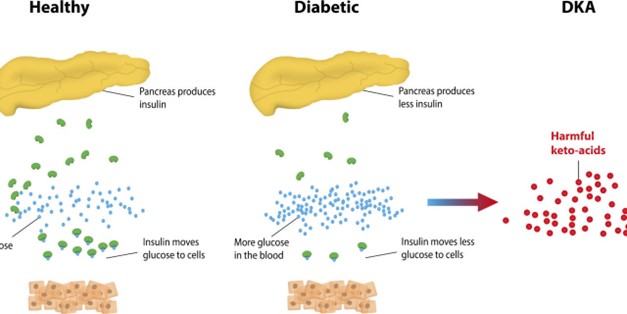
Choice A reason: A fruity odor in the breath is a symptom of hyperglycemia, especially when it is severe and causes ketoacidosis. Ketoacidosis is a condition where the body produces ketones, which are acidic substances that result from the breakdown of fat for energy when there is not enough insulin or glucose available. Ketones can make the breath smell fruity or like nail polish remover.
Choice B reason: A decreased appetite is not a symptom of hyperglycemia. On the contrary, an increased appetite or hunger is a symptom of hyperglycemia, as the body tries to compensate for the lack of glucose in the cells by stimulating the hunger center in the brain.
Choice C reason: An increased thirst is a symptom of hyperglycemia, as the body tries to flush out the excess glucose and ketones in the blood through urine. This leads to dehydration and thirst signals in the brain.
Choice D reason: A blurry vision at times is a symptom of hyperglycemia, as high blood glucose levels can cause swelling and damage to the lens of the eye, affecting its ability to focus light properly. This can lead to temporary or permanent vision problems.
Correct Answer is B
Explanation
Choice A reason: Wearing closed-toed shoes daily is a good practice for people with diabetes, as it can protect the feet from injuries and infections. However, it is not the most important action for preventing long-term complications of retinopathy and neuropathy. These complications are mainly caused by high blood glucose levels that damage the blood vessels and nerves in the eyes and feet.
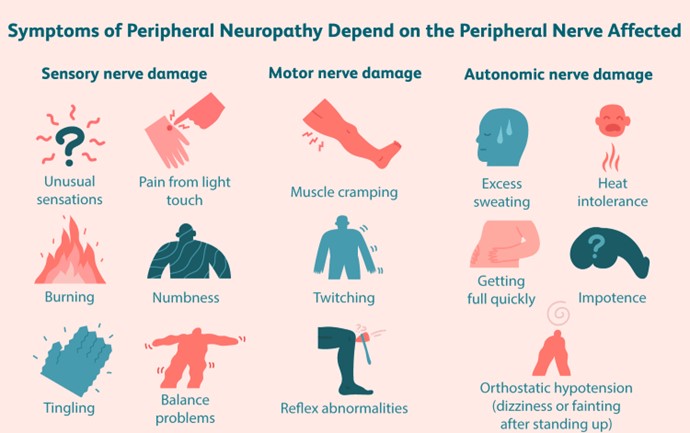
Choice B reason: Maintaining stable blood glucose levels is the most important action for preventing long-term complications of retinopathy and neuropathy. High blood glucose levels can cause oxidative stress, inflammation, and endothelial dysfunction, which impair the blood flow and oxygen delivery to the eyes and feet. This can lead to nerve damage (neuropathy) and vision loss (retinopathy) over time. Keeping blood glucose levels within the target range can reduce the risk of these complications and slow down their progression if they already exist.
Choice C reason: Planning to have an eye examination once per year is a recommended action for people with diabetes, as it can help detect and treat retinopathy before it causes irreversible damage to the retina. However, it is not the most important action for preventing long-term complications of retinopathy and neuropathy. Eye examinations cannot prevent retinopathy from occurring or worsening; they can only monitor its status and provide appropriate interventions.
Choice D reason: Examining your feet carefully every day is another recommended action for people with diabetes, as it can help identify and treat any signs of neuropathy, such as numbness, tingling, pain, or ulcers. However, it is not the most important action for preventing long-term complications of retinopathy and neuropathy. Foot examinations cannot prevent neuropathy from occurring or worsening; they can only monitor its status and provide appropriate care.
Whether you are a student looking to ace your exams or a practicing nurse seeking to enhance your expertise , our nursing education contents will empower you with the confidence and competence to make a difference in the lives of patients and become a respected leader in the healthcare field.
Visit Naxlex, invest in your future and unlock endless possibilities with our unparalleled nursing education contents today