
A nurse is reviewing the laboratory report of a client who has hypoparathyroidism. The nurse should expect which of the following values?
Phosphate 5.7 mg/dL
Vitamin D 25 ng/mL
Calcium 9.8 mg/dL
Magnesium 1.8 mEq/L
The Correct Answer is A
Choice A reason: Phosphate 5.7 mg/dL is an elevated value, as the normal range is 2.5 to 4.5 mg/dL. Hypoparathyroidism causes low levels of parathyroid hormone (PTH), which regulates calcium and phosphorus balance in the body. Low PTH leads to low calcium and high phosphorus levels in the blood.
Choice B reason: Vitamin D 25 ng/mL is a normal value, as the normal range is 20 to 50 ng/mL. Hypoparathyroidism does not directly affect vitamin D levels, but vitamin D supplements may be given to help increase calcium absorption and lower phosphorus levels in the blood.
Choice C reason: Calcium 9.8 mg/dL is a normal value, as the normal range is 8.6 to 10.2 mg/dL. Hypoparathyroidism causes low levels of parathyroid hormone (PTH), which regulates calcium and phosphorus balance in the body. Low PTH leads to low calcium and high phosphorus levels in the blood. However, calcium levels may be normal or near- normal in some cases of hypoparathyroidism, especially if the condition is mild or well-controlled with treatment.
Choice D reason: Magnesium 1.8 mEq/L is a normal value, as the normal range is 1.5 to 2.5 mEq/L. Hypoparathyroidism does not directly affect magnesium levels, but magnesium deficiency can cause or worsen hypoparathyroidism, as magnesium is needed for PTH secretion and action. Magnesium supplements may be given to correct magnesium deficiency and improve PTH function.
Nursing Test Bank
Naxlex Comprehensive Predictor Exams
Related Questions
Correct Answer is {"A":{"answers":"A,B"},"B":{"answers":"A,B"},"C":{"answers":"B"},"D":{"answers":"B"},"E":{"answers":"A"}}
No explanation
Correct Answer is B
Explanation
Choice A reason: Shock is not a cause of acute pancreatitis, but a possible complication of severe cases that can lead to organ failure and death.
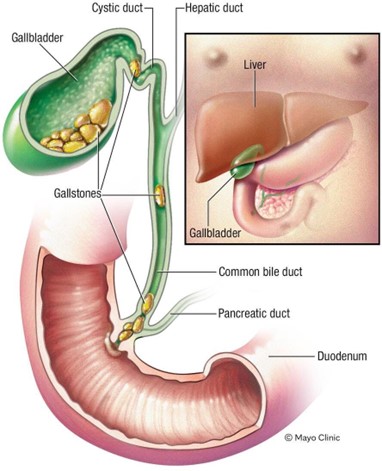
Choice B reason: Gallstones are one of the major causes of acute pancreatitis, as they can block the pancreatic duct and prevent the flow of digestive enzymes, leading to inflammation and damage of the pancreas.
Choice C reason: Diabetes mellitus is not a cause of acute pancreatitis, but a possible complication of chronic pancreatitis, as the damage to the pancreas can impair its ability to produce insulin and regulate blood sugar levels.
Choice D reason: GERD (gastroesophageal reflux disease) is not a cause of acute pancreatitis, but a condition that affects the lower esophageal sphincter and allows stomach acid to reflux into the esophagus, causing heartburn and other symptoms.
Whether you are a student looking to ace your exams or a practicing nurse seeking to enhance your expertise , our nursing education contents will empower you with the confidence and competence to make a difference in the lives of patients and become a respected leader in the healthcare field.
Visit Naxlex, invest in your future and unlock endless possibilities with our unparalleled nursing education contents today