
A nurse is setting up a sterile field before performing a dressing change on a client who is postoperative. Which of the following actions should the nurse plan to take to maintain the sterile field? (Select all that apply.)
Select a work surface at the nurse's waist level.
Open the first flap of the sterile package toward the nurse's body.
Grasp 2.5 cm (1 in) of the outer edge to open the surgical wrap.
Place & surgical pack with a sterile drape on the work surface.
Apply sterile gloves before opening the pack
Correct Answer : B,D
B. Open the first flap of the sterile package toward the nurse's body: When opening a sterile package, the nurse should open the first flap away from their body to prevent potential contamination from falling particles. This action helps maintain the sterility of the contents inside.
D. Place a surgical pack with a sterile drape on the work surface: Placing the surgical pack with a sterile drape on the work surface ensures that the sterile field is properly established. The sterile drape provides a clean and sterile area for the nurse to perform the dressing change.
Incorrect answers:
A. Select a work surface at the nurse's waist level: While it is important to select a work surface at an appropriate height for the nurse's comfort and ergonomics, the height of the work surface does not directly affect the maintenance of a sterile field.
C. Grasp 2.5 cm (1 in) of the outer edge to open the surgical wrap: When opening a sterile package, the nurse should grasp the inner edge of the sterile wrap to maintain the sterility of the contents. Grasping the outer edge can potentially lead to contamination of the sterile field.
E. Apply sterile gloves before opening the pack: Sterile gloves should be applied after the sterile field is established. Opening the sterile pack and setting up the sterile field should be done with clean (non-sterile) hands to avoid contaminating the contents. Once the sterile field is set up, the nurse can don sterile gloves before actually touching the sterile items.
Nursing Test Bank
Naxlex Comprehensive Predictor Exams
Related Questions
Correct Answer is A
Explanation
Choice A reason:
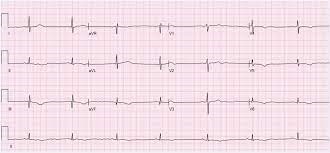
Measuring the client's blood pressure is appropriate. Assessing the client's blood pressure is a crucial initial step to determine the client's perfusion status and the impact of the bradycardia on their circulation. Sinus bradycardia can result in decreased cardiac output and compromised blood flow to various organs. Measuring the blood pressure helps the nurse evaluate the severity of the bradycardia and its potential effects on the client's overall condition.
Choice B Reason:
Administering atropine to the client is inappropriate. Atropine is a medication that can be used to increase heart rate in bradycardic situations. However, assessing blood pressure comes first to ensure that the blood pressure isn't critically low before administering medications.
Choice C reason:
Initiating IV fluid therapy for the client is inappropriate. Fluid therapy might be necessary to improve perfusion in certain cases, but assessing blood pressure should be done first to guide treatment decisions.
Choice D Reason:
Preparing the client for temporary pacing is inappropriate Temporary pacing might be required in severe cases of bradycardia, but again, assessing blood pressure takes priority to determine the urgency of intervention.
Correct Answer is A
Explanation
Choice A reason:
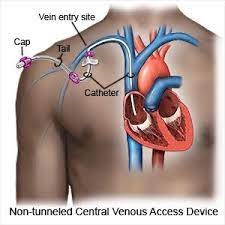
Confirming the correct position of the line by obtaining a blood sample is appropriate. Inserting a central venous catheter is a procedure that involves placing a catheter into a large vein, typically in the neck, chest, or groin. Confirming the correct placement is crucial to prevent complications such as pneumothorax (lung collapse) or catheter misplacement.
Choice B reason:
Instructing the client to cough as the catheter is inserted is not a standard practice during central venous catheter insertion and could lead to unnecessary complications.
Choice C reason:
Placing the head of the client's bed lower than the foot (Trendelenburg position) is not a standard practice during central venous catheter insertion and would not be helpful for this procedure.
Choice D reason:
Cleansing the site with hydrogen peroxide is not the recommended method for central venous catheter insertion. Typically, a sterile technique and appropriate antiseptic solution are used to reduce the risk of infection.
Whether you are a student looking to ace your exams or a practicing nurse seeking to enhance your expertise , our nursing education contents will empower you with the confidence and competence to make a difference in the lives of patients and become a respected leader in the healthcare field.
Visit Naxlex, invest in your future and unlock endless possibilities with our unparalleled nursing education contents today