
A nurse is teaching a class about medication reconciliation. Which of the following information should the nurse include in the teaching?
Do not include over-the-counter medications in the medication reconciliation report.
Provide a list of the client's current medications during admission to a health care facility.
Do not perform reconciliation for a client at discharge from a health care facility.
Provide a list of the client's current medications during the change of shift report.
Correct Answer : B,D
The nurse should include the following information in the teaching about medication reconciliation:
● Provide a list of the client's current medications during admission to a healthcare facility.
● Provide a list of the client's current medications during the change of shift report.
Medication reconciliation is a critical process that involves comparing the medications a patient is currently taking with the medications ordered or intended to be prescribed. It helps ensure accurate and safe medication management during transitions of care. The nurse should emphasize the importance of providing a list of the client's current medications during admission to a healthcare facility. This information helps establish a baseline for the patient's medication regimen and allows healthcare providers to verify and reconcile the medications accurately.
Additionally, the nurse should instruct the class to provide a list of the client's current medications during the change of shift report. This allows for effective communication between healthcare providers, ensuring continuity of care and preventing medication errors or omissions.
While not specifically mentioned in the options, it is important to note that medication reconciliation should be performed at various points, including during the discharge process from a healthcare facility. Discharge medication reconciliation helps ensure a smooth transition to home or another healthcare setting, reduces the risk of medication-related issues, and promotes patient safety and adherence to the prescribed medication regimen.
Regarding over-the-counter medications, it is crucial to include them in the medication reconciliation process. Over-the-counter medications can interact with prescription medications and have potential side effects. Including them in the reconciliation report helps identify any potential interactions or duplications and ensures comprehensive medication management.
Nursing Test Bank
Naxlex Comprehensive Predictor Exams
Related Questions
Correct Answer is A
Explanation
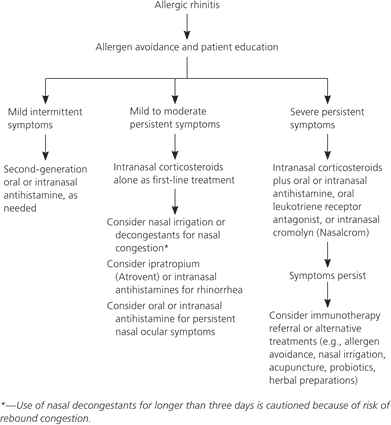
Nasal glucocorticoids, also known as intranasal corticosteroids, are considered the most effective and recommended first-line treatment for nasal congestion caused by allergic rhinitis or non-allergic rhinitis. They work by reducing inflammation in the nasal passages, relieving congestion, and improving other symptoms such as itching, sneezing, and runny nose.
Leukotriene modifiers, decongestants, and antihistamines can also be used to manage nasal congestion, but they are generally considered second-line options or adjunct therapies.
Decongestants provide temporary relief by constricting blood vessels in the nasal passages, while antihistamines help with symptoms related to allergies. Leukotriene modifiers are primarily used for managing asthma and are not typically the first choice for nasal congestion alone.
Correct Answer is C
Explanation
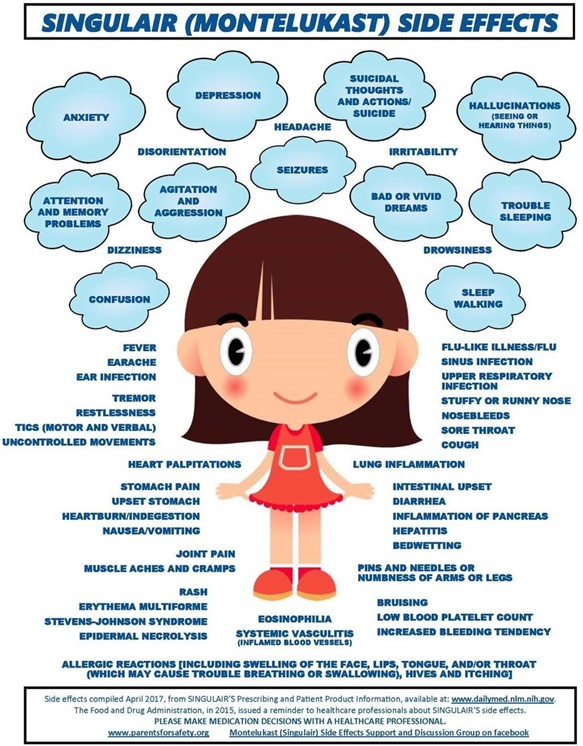
Montelukast is a medicine used to treat and prevent asthma and allergic rhinitis. It can cause some side effects, such as stomach pain, headache, cough, or fever. However, some side effects are more serious and need to be reported to the provider.
According to the sources I found, the most serious side effect of montelukast that should be reported to the provider is depression. Depression is a mental health condition that can affect your mood, thoughts, and behavior. It can cause symptoms such as feeling sad, hopeless, or worthless; losing interest in activities you used to enjoy; having trouble sleeping or concentrating; or having thoughts of harming yourself or others.
Montelukast has been linked to neuropsychiatric events, such as agitation, aggression, sleep disturbances, suicidal thoughts and behavior (including suicide). The mechanisms underlying these events are not well understood, but they can occur at any time during treatment. Therefore, patients and caregivers should be alert for changes in behavior or new neuropsychiatric symptoms when taking montelukast. If these occur, they should discontinue montelukast and contact a healthcare provider immediately.
The other options are not listed as serious side effects of montelukast that need to be reported to the provider. Constipation, blurred vision, and palpitations are possible side effects of other medicines used to treat asthma or allergic rhinitis, such as corticosteroids, antihistamines, or beta-agonists. However, they are not specific to montelukast and may not be related to its use.
Whether you are a student looking to ace your exams or a practicing nurse seeking to enhance your expertise , our nursing education contents will empower you with the confidence and competence to make a difference in the lives of patients and become a respected leader in the healthcare field.
Visit Naxlex, invest in your future and unlock endless possibilities with our unparalleled nursing education contents today