
The nurse is reviewing medication errors. Which situation is an example of a medication error?
A patient develops hives after having started an IV antibiotic 24 hours earlier.
A patient complains of severe pain still present 60 minutes after a pain medication was given.
A patient receives a double dose of a medication because the nurse did not cut the pill in half.
A patient refuses her morning medication
The Correct Answer is C
A medication error refers to any preventable event that may cause or lead to inappropriate medication use or patient harm. In this case, the nurse administering a double dose of medication due to a failure to cut the pill in half is a medication error. It involves the administration of an incorrect dose, which can potentially result in harm or adverse effects for the patient.
The other situations mentioned do not necessarily indicate medication errors. A patient developing hives after starting an IV antibiotic could have an allergic reaction, and appropriate actions should be taken to address the reaction. A patient complaining of severe pain still present after receiving pain medication may require further assessment and intervention to manage their pain effectively. A patient refusing her morning medication is not a medication error but rather a patient's right to refuse treatment, and appropriate documentation and communication should be done in such situations.
Nursing Test Bank
Naxlex Comprehensive Predictor Exams
Related Questions
Correct Answer is A
Explanation
Traditional antihistamines like diphenhydramine are known to have sedating properties, which can cause drowsiness and impair cognitive function. On the other hand, loratadine is classified as a non-sedating or second-generation antihistamine. It is designed to have less of a sedative effect, allowing individuals to take it during the day without experiencing significant drowsiness or impairment.
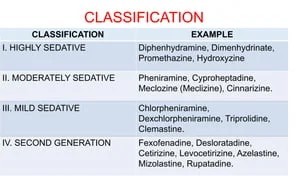
It is important to note that individual responses to medications can vary, and some individuals may still experience mild drowsiness with loratadine. However, compared to diphenhydramine, loratadine is generally associated with a lower risk of sedation.
Correct Answer is C
Explanation
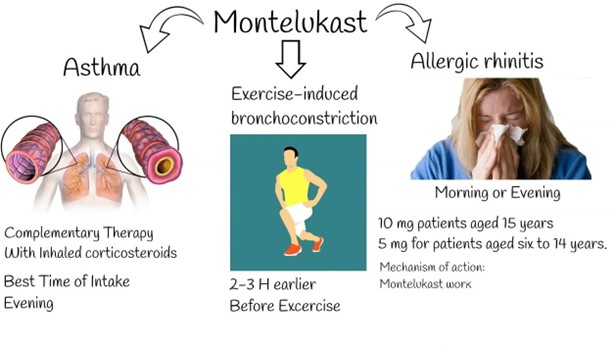
Montelukast is a leukotriene receptor antagonist commonly used to manage asthma and allergic rhinitis. Its primary therapeutic effect is to improve respiratory symptoms by reducing inflammation and constriction of the airways. Therefore, an increased ease of breathing would be an expected outcome indicating that the medication is working effectively.
The other options are incorrect because:
A. The client's seizure threshold is reduced: Montelukast does not have any effect on the seizure threshold. This outcome is unrelated to the medication and may be indicative of a different condition or treatment.
B. The client experiences less muscle pain: Montelukast is not indicated for reducing muscle pain. This outcome is unrelated to the medication and may be indicative of a different condition or treatment.
D. The client's platelet count is increased: Montelukast does not have an effect on platelet count. This outcome is unrelated to the medication and may be indicative of a different condition or treatment.
Whether you are a student looking to ace your exams or a practicing nurse seeking to enhance your expertise , our nursing education contents will empower you with the confidence and competence to make a difference in the lives of patients and become a respected leader in the healthcare field.
Visit Naxlex, invest in your future and unlock endless possibilities with our unparalleled nursing education contents today