
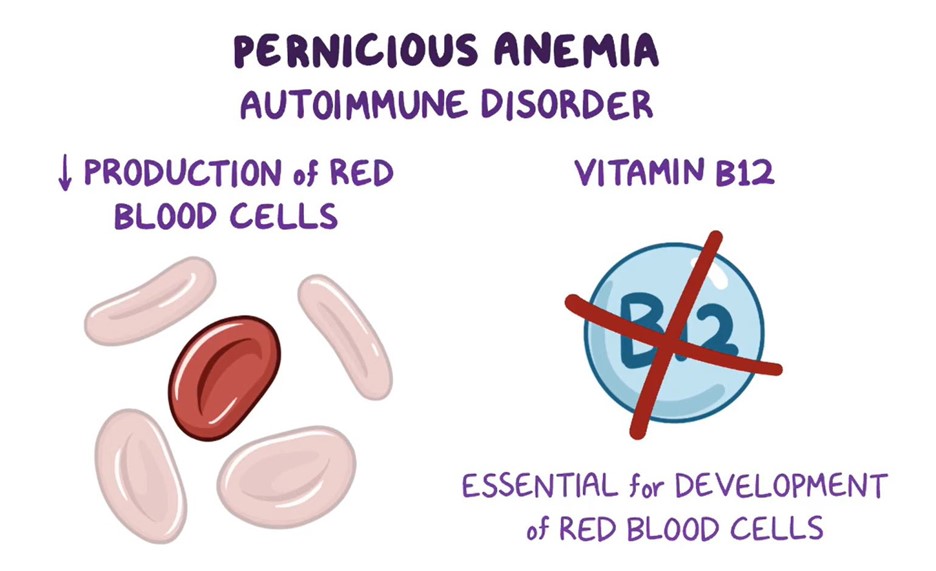
A nurse is teaching a client who has pernicious anemia to self-administer nasal cyanocobalamin. Which of the following information should the nurse include in the teaching?
"Plan to self-administer this medication for the next 6 months."
"Administer the medication into one nostril once per week."
"Lie down for 1 hour after administering the medication."
"Use a nasal decongestant 15 minutes before the medication if you have a stuffy nose."
The Correct Answer is B
A. "Plan to self-administer this medication for the next 6 months": The duration of treatment may vary based on individual circumstances and medical evaluation. It's not appropriate to make a blanket statement about the treatment duration.
B. "Administer the medication into one nostril once per week."
Cyanocobalamin is a form of vitamin B12 that is used to treat pernicious anemia. It can be administered via nasal spray in some cases. The appropriate dosing for nasal cyanocobalamin usually involves administration once a week. The client should be instructed to administer the medication into one nostril as directed by their healthcare provider.
C. "Lie down for 1 hour after administering the medication": There is no need for the client to lie down for an extended period after administering nasal cyanocobalamin.
D. "Use a nasal decongestant 15 minutes before the medication if you have a stuffy nose": This is not a standard recommendation for administering nasal cyanocobalamin. The client should follow the specific instructions provided by their healthcare provider.
Nursing Test Bank
Naxlex Comprehensive Predictor Exams
Related Questions
Correct Answer is D
Explanation
The correct sequence of steps for mixing regular insulin and NPH insulin in the same syringe is as follows:
D. Inject air into the NPH insulin vial.
B. Inject air into the regular insulin vial.
C. Withdraw the regular insulin from the vial.
A. Withdraw the NPH insulin from the vial.
So, the nurse should first inject air into the NPH insulin vial.
Correct Answer is A
Explanation
A. Drowsiness:
Correct Answer: This adverse effect is important for the client to monitor for when taking paroxetine.
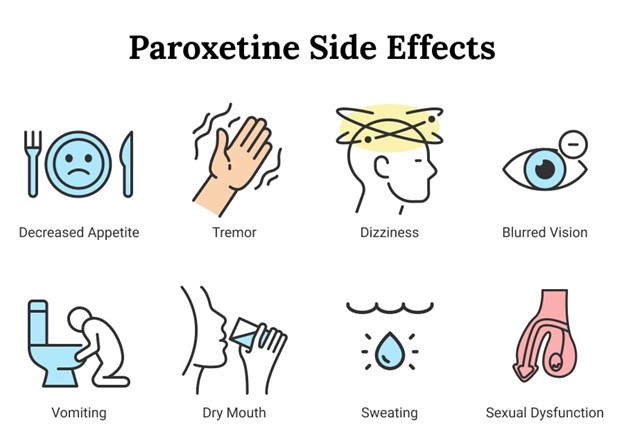
Explanation: Paroxetine is an antidepressant medication classified as a selective serotonin reuptake inhibitor (SSRI). Drowsiness or sedation can be a common side effect of paroxetine and other SSRIs. The client should be advised to monitor their response to the medication and report excessive drowsiness to their healthcare provider.
B. Peripheral edema:
Incorrect Explanation: Peripheral edema is not a typical adverse effect of paroxetine.
Explanation: Peripheral edema is not a common side effect associated with paroxetine use. It's important to monitor for adverse effects, but this specific symptom is not usually associated with this medication.
C. Tinnitus:
Incorrect Explanation: Tinnitus (ringing in the ears) is not commonly associated with paroxetine use.
Explanation: Tinnitus is not a typical side effect of paroxetine. It's important for the client to report any new or unusual symptoms, but tinnitus is not one of the more common adverse effects of this medication.
D. Alopecia:
Incorrect Explanation: Alopecia (hair loss) is not commonly associated with paroxetine use.
Explanation: Alopecia is not a typical side effect of paroxetine. While hair loss can occur with certain medications, it is not a common concern with paroxetine.
Whether you are a student looking to ace your exams or a practicing nurse seeking to enhance your expertise , our nursing education contents will empower you with the confidence and competence to make a difference in the lives of patients and become a respected leader in the healthcare field.
Visit Naxlex, invest in your future and unlock endless possibilities with our unparalleled nursing education contents today