
A home health nurse is visiting a client who has heart failure and a prescription for furosemide. The nurse identifies that the client has gained 2.5 kg (5 lb) since the last visit 2 days ago. Which of the following actions should the nurse take first?
Determine medication adherence by the client.
Teach the client about foods low in sodium.
Encourage the client to dangle the legs while sitting in a chair.
Notify the provider of the client's weight gain.
The Correct Answer is D
A. Determine medication adherence by the client:
This choice is incorrect as the nurse should first take immediate actions to address the client's weight gain and potential exacerbation of heart failure symptoms. While medication adherence is important, it's not the first action to take in this situation.
B. Teach the client about foods low in sodium:
This choice is incorrect as educating the client about sodium intake is important for managing heart failure, but the priority in this case is to address the current weight gain and potential worsening of the client's condition.
C. Encourage the client to dangle the legs while sitting in a chair:
This choice is incorrect. Dangling the legs while sitting in a chair can help improve blood circulation in some cases, but it's not the first action to take when the client has gained a significant amount of weight since the last visit. The priority should be addressing the weight gain and its potential impact on the client's heart failure.
D. Notify the provider of the client's weight gain:
This is the correct choice. When a client with heart failure experiences a sudden weight gain, it can indicate fluid retention and worsening of their condition. Notifying the healthcare provider about the weight gain is crucial to ensure timely assessment, potential medication adjustments, and other interventions to prevent further deterioration of the client's health. Prompt communication with the provider can help prevent complications associated with heart failure.
Nursing Test Bank
Naxlex Comprehensive Predictor Exams
Related Questions
Correct Answer is D
Explanation
A. Determine medication adherence by the client:
This choice is incorrect as the nurse should first take immediate actions to address the client's weight gain and potential exacerbation of heart failure symptoms. While medication adherence is important, it's not the first action to take in this situation.
B. Teach the client about foods low in sodium:
This choice is incorrect as educating the client about sodium intake is important for managing heart failure, but the priority in this case is to address the current weight gain and potential worsening of the client's condition.
C. Encourage the client to dangle the legs while sitting in a chair:
This choice is incorrect. Dangling the legs while sitting in a chair can help improve blood circulation in some cases, but it's not the first action to take when the client has gained a significant amount of weight since the last visit. The priority should be addressing the weight gain and its potential impact on the client's heart failure.
D. Notify the provider of the client's weight gain:
This is the correct choice. When a client with heart failure experiences a sudden weight gain, it can indicate fluid retention and worsening of their condition. Notifying the healthcare provider about the weight gain is crucial to ensure timely assessment, potential medication adjustments, and other interventions to prevent further deterioration of the client's health. Prompt communication with the provider can help prevent complications associated with heart failure.
Correct Answer is C
Explanation
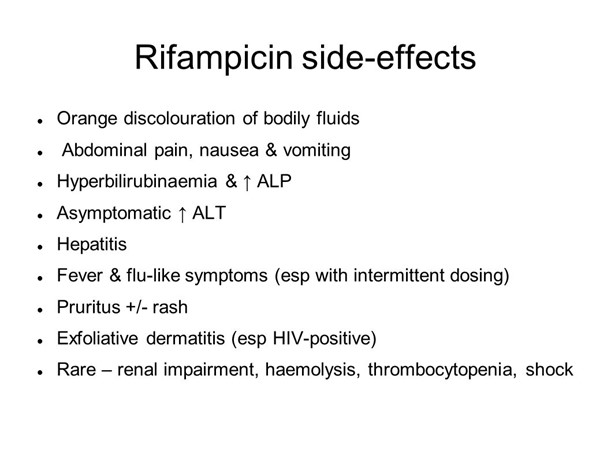
A. Instruct the client to increase his fluid intake: While adequate fluid intake is generally important for various reasons, increasing fluid intake would not alter the orange-red discoloration caused by rifampin. This side effect is due to the drug's action on body fluids, not dehydration.
B. Prepare the client for dialysis: Dialysis is not indicated for the harmless orange-red discoloration caused by rifampin. Dialysis is typically used for clients with kidney failure or significant electrolyte imbalances, and it would not address this specific side effect.
C. Document this as an expected finding.
Explanation:
Rifampin, an antibiotic commonly used in the treatment of tuberculosis (TB), can cause a harmless side effect known as "orange-red discoloration." This can affect bodily fluids such as urine, sweat, and tears. This is not a harmful effect and does not indicate a need for any specific intervention. Therefore, the nurse should document this as an expected finding due to the client's use of rifampin.
D. Check the client's liver function test results: The orange-red discoloration is not related to liver function, so checking liver function test results would not provide relevant information about this particular side effect.
Whether you are a student looking to ace your exams or a practicing nurse seeking to enhance your expertise , our nursing education contents will empower you with the confidence and competence to make a difference in the lives of patients and become a respected leader in the healthcare field.
Visit Naxlex, invest in your future and unlock endless possibilities with our unparalleled nursing education contents today