
A nurse on the postpartum unit is caring for four clients. For which of the following clients should the nurse notify the provider?
A client who reports luchia rubra requiring changing perineal pads every 3 hr
A client who has a urinary output of 300 mL in 8 hr
A client who is receiving magnesium sulphate and has absent deep tendon reflexes
A client who reports abdominal cramping during breastfeeding
The Correct Answer is C
A. A client who reports lochia rubra requiring changing perineal pads every 3 hr: Lochia rubra is the normal discharge during the early postpartum period. Changing perineal pads every 3 hours is within the expected range and does not warrant immediate notification of the provider.
B. A client who has a urinary output of 300 mL in 8 hr: Although the urinary output is relatively low, the information provided is not sufficient to conclude that this is abnormal. Further assessment is needed, and this finding alone may not be an emergency. However, it should be monitored.
C. A client who is receiving magnesium sulfate and has absent deep tendon reflexes: Absent deep tendon reflexes can be a sign of magnesium toxicity. Magnesium sulfate is used for various indications, such as preeclampsia or eclampsia, but it has a narrow therapeutic range. Absent deep tendon reflexes suggest the need for immediate attention and notification of the provider.
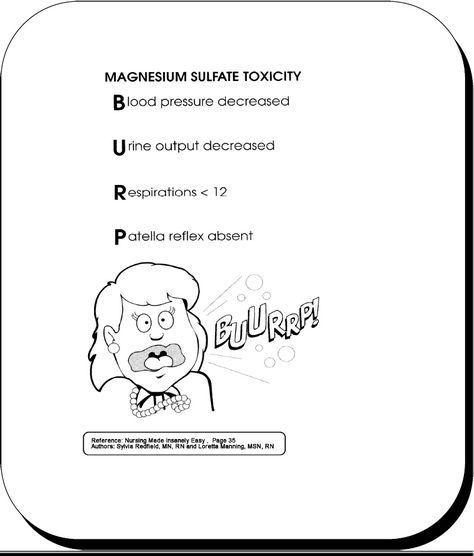
D. A client who reports abdominal cramping during breastfeeding: Abdominal cramping during breastfeeding is a common postpartum symptom associated with uterine contractions. It is a normal physiological response and does not require immediate notification of the provider.
Nursing Test Bank
Naxlex Comprehensive Predictor Exams
Related Questions
Correct Answer is A
Explanation
A. Uterine tenderness is a common finding in endometritis. This inflammation of the endometrial lining can cause tenderness upon palpation of the uterus.
B. Temperature 37.4o C (99.3 F): Fever is a common symptom of endometritis. The body's response to infection often includes an elevated temperature.
C. WBC count 9000/mm3: In endometritis, there is typically an elevated white blood cell count as the body responds to the infection. A count of 9000/mm3 is within the normal range and may not be indicative of infection, making this choice less likely.
D. Scant lochia: Endometritis is associated with an increase in lochial flow rather than a decrease. Lochia may be increased in amount and foul-smelling in cases of endometritis. Scant lochia is more likely to be associated with other postpartum conditions but not necessarily endometritis.
Correct Answer is A
Explanation
A. The client’s fundus is firm and midline: Oxytocin is commonly administered in the third stage of labor to promote uterine contraction and prevent postpartum hemorrhage. A therapeutic effect of oxytocin is the firm and midline positioning of the uterus, indicating effective contraction and the prevention of excessive bleeding.
B. The client’s umbilical cord lengthens: The lengthening of the umbilical cord is not an expected therapeutic effect of oxytocin administration. Oxytocin primarily affects uterine contractions.
C. The client reports a feeling of vaginal fullness: A feeling of vaginal fullness is not a typical therapeutic effect of oxytocin administration. It may be associated with other factors, such as the presence of blood clots or retained placental fragments, and should be further assessed.
D. The client saturates a perineal pad in 1 hour: Saturating a perineal pad in 1 hour is not an expected therapeutic effect of oxytocin. Excessive bleeding or saturation of perineal pads may be a sign of postpartum hemorrhage and requires immediate attention.
Whether you are a student looking to ace your exams or a practicing nurse seeking to enhance your expertise , our nursing education contents will empower you with the confidence and competence to make a difference in the lives of patients and become a respected leader in the healthcare field.
Visit Naxlex, invest in your future and unlock endless possibilities with our unparalleled nursing education contents today