
A nurse working at a middle school suspects that a student is experiencing physical abuse after performing an assessment on them. Which of the following actions should the nurse take next?
Make a report to Child Protective Services (CPS)
Call the police and report the suspected abuse.
Call the child's guardian to have the child's pediatrician confirm the suspected abuse.
Alert the school principal of the situation.
The Correct Answer is A
Choice A: Make a Report to Child Protective Services (CPS)
This is the correct action for the nurse to take. Nurses are mandated reporters, meaning they are legally required to report any suspected cases of child abuse or neglect to the appropriate authorities. Child Protective Services (CPS) is the agency responsible for investigating reports of child abuse and ensuring the safety and well-being of children. Reporting to CPS ensures that the case is handled by professionals trained to investigate and intervene in such situations.
Choice B: Call the Police and Report the Suspected Abuse
While calling the police may seem like a logical step, it is not the primary action a nurse should take in this situation. The police may become involved later in the process, especially if there is an immediate threat to the child's safety. However, the initial report should be made to CPS, as they are the designated agency for handling child abuse cases.
Choice C: Call the Child's Guardian to Have the Child's Pediatrician Confirm the Suspected Abuse
This action is not appropriate because it could potentially place the child in further danger. If the guardian is the abuser, notifying them could lead to retaliation against the child or attempts to cover up the abuse. Additionally, it is not the role of the pediatrician to confirm abuse; this is the responsibility of CPS and law enforcement.
Choice D: Alert the School Principal of the Situation
While it is important to keep school officials informed, the nurse's primary responsibility is to report the suspected abuse to CPS. The school principal can be informed after the report has been made, but the immediate priority is to ensure the child's safety by contacting the appropriate authorities.

Nursing Test Bank
Naxlex Comprehensive Predictor Exams
Related Questions
Correct Answer is B
Explanation
Choice A Reason:
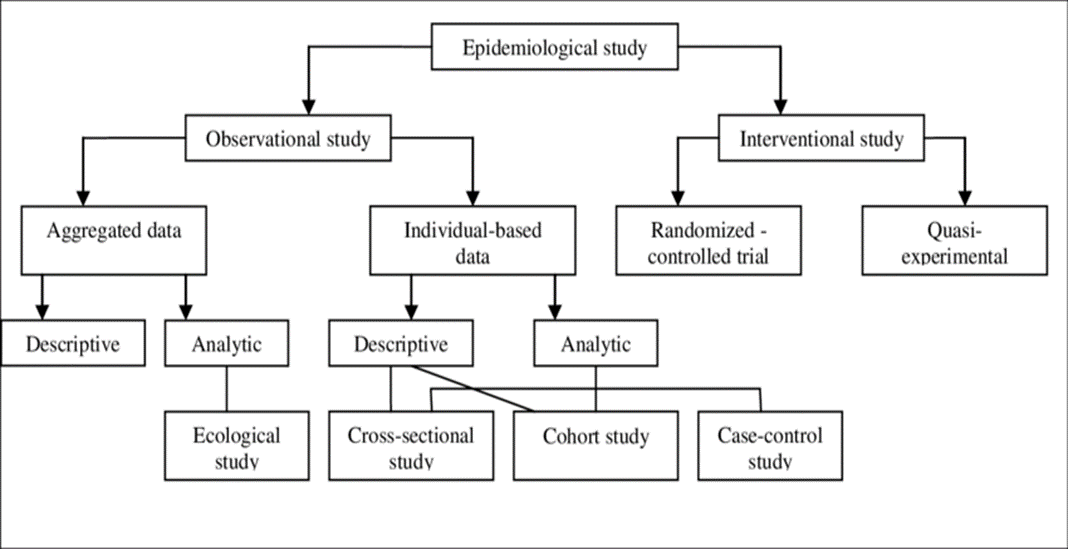
Increased exposure increases the risk of developing the disease. This statement describes a dose-response relationship, which is another important criterion for establishing causation. It indicates that as the level of exposure to a potential cause increases, the risk of developing the disease also increases. However, this does not specifically address the temporal sequence required to establish causation.
Choice B Reason:
The exposure must come before the disease develops. This is the correct definition of a temporal relationship in epidemiological studies. For causation to be established, it is essential that the exposure to the potential cause occurs before the onset of the disease. This temporal sequence is crucial because it helps to rule out reverse causation, where the disease might influence the exposure rather than the other way around.
Choice C Reason:
When the exposure is decreased or eliminated, the risk of disease declines or is eliminated. This statement describes the concept of reversibility, which is another criterion for causation. It suggests that reducing or removing the exposure should lead to a decrease in the incidence of the disease. While important, it does not specifically define the temporal relationship.
Choice D Reason:
A relationship is biologically plausible, and it makes sense. This statement refers to biological plausibility, which means that the observed association between exposure and disease is consistent with existing biological or medical knowledge. While biological plausibility supports causation, it does not define the temporal sequence necessary to establish a causal relationship.
Correct Answer is D
Explanation
Choice A Reason:
The portal of entry refers to the site through which pathogens enter the body. While handwashing can indirectly affect the portal of entry by reducing the number of pathogens on the hands, it primarily targets the mode of transmission. The portal of entry includes areas such as the respiratory tract, gastrointestinal tract, and breaks in the skin.
Choice B Reason:
The susceptible host is an individual who is at risk of infection due to factors such as age, underlying health conditions, or weakened immune systems. Handwashing does not directly alter the susceptibility of the host but rather reduces the likelihood of the host coming into contact with pathogens.
Choice C Reason:
The portal of exit is the site from which pathogens leave the host to infect another individual. Common portals of exit include the respiratory tract, gastrointestinal tract, and open wounds. Handwashing does not directly impact the portal of exit but helps prevent the spread of pathogens from one person to another.
Choice D Reason:
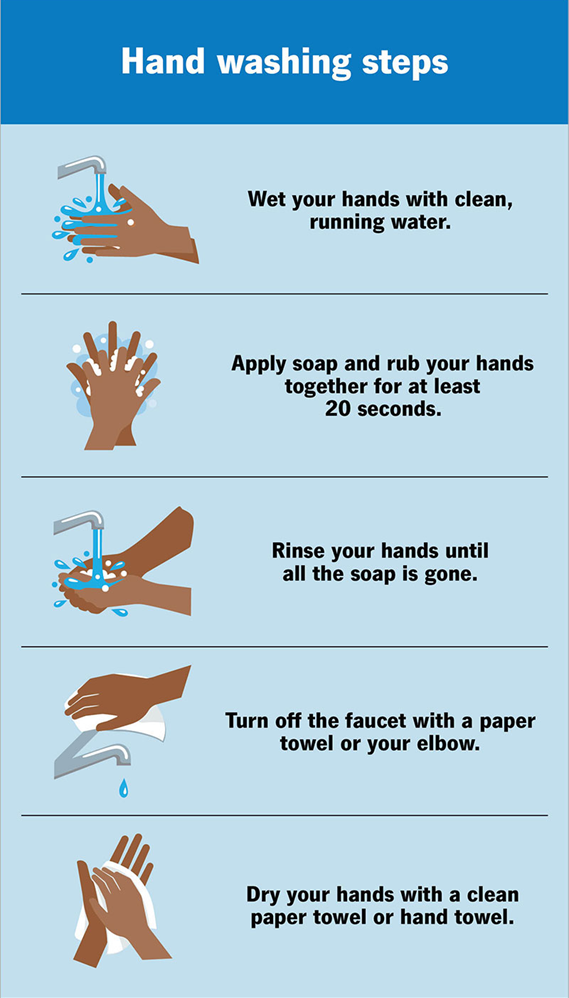
Mode of transmission refers to the way pathogens are transferred from one host to another. Handwashing is a critical intervention that targets this link in the chain of transmission by removing pathogens from the hands, thereby preventing their spread through direct contact or contact with contaminated surfaces. This is why proper handwashing technique is emphasized in infection control practices.
Whether you are a student looking to ace your exams or a practicing nurse seeking to enhance your expertise , our nursing education contents will empower you with the confidence and competence to make a difference in the lives of patients and become a respected leader in the healthcare field.
Visit Naxlex, invest in your future and unlock endless possibilities with our unparalleled nursing education contents today