
A patient has been taking lithium for 1 year, and the most recent lithium level is 0.9 mEq/L. Which statement about the laboratory result is correct?
The lithium level is too low
The lithium level is therapeutic
Lithium is not usually monitored with blood levels
The lithium level is too high
The Correct Answer is B
A. A lithium level of 0.9 mEq/L falls within the therapeutic range for lithium, so it is not too low.
B. A lithium level of 0.9 mEq/L is within the therapeutic range for lithium maintenance therapy, which typically ranges from 0.6 to 1.2 mEq/L. Therefore, it is considered therapeutic.
C. Lithium is commonly monitored with blood levels to ensure therapeutic efficacy and to prevent toxicity.
D. A lithium level of 0.9 mEq/L is not too high; it is within the therapeutic range.
Nursing Test Bank
Naxlex Comprehensive Predictor Exams
Related Questions
Correct Answer is A
Explanation
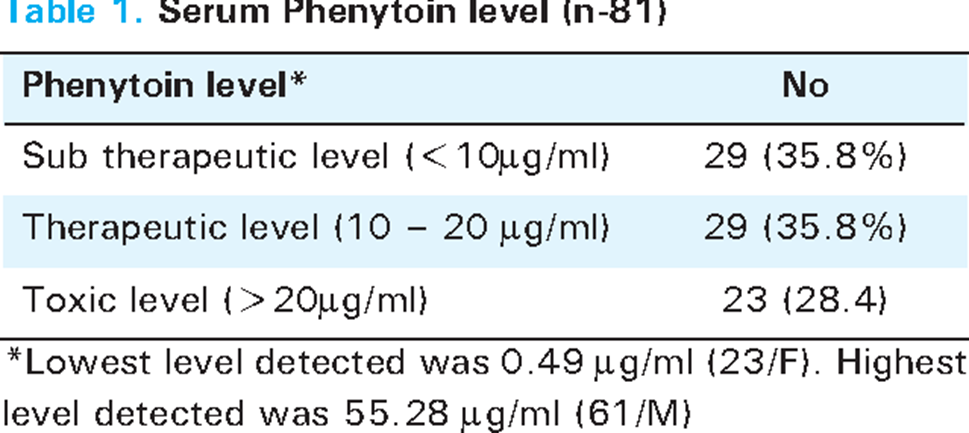
A. The drug level is at a toxic level, and the dosage needs to be reduced. Phenytoin has a narrow therapeutic range, and levels above 20 mcg/mL are considered to be in the toxic range.
Symptoms of phenytoin toxicity can include nystagmus, ataxia, slurred speech, and confusion. Therefore, if a patient's phenytoin level is 23 mcg/mL, the nurse should be concerned about potential toxicity and consult with the healthcare provider to adjust the dosage.
B. The patient's seizures should be under control if she is also taking a second antiepileptic drug.
While combination therapy with multiple antiepileptic drugs can help control seizures, a phenytoin level of 23 mcg/mL is still concerning for toxicity and requires intervention.
C. The patient is at risk for seizures because the drug level is not at a therapeutic level. A phenytoin level of 23 mcg/mL is actually above the therapeutic range and is more indicative of toxicity rather than subtherapeutic levels.
D. The patient's seizures should be under control because this is a therapeutic drug level. A phenytoin level of 23 mcg/mL is not within the therapeutic range but rather in the toxic range, so the patient may experience symptoms of toxicity rather than having adequate seizure control.
Correct Answer is B
Explanation
A. Dobutamine is a sympathomimetic drug used to increase cardiac output in conditions such as heart failure. It is not an antidote for cholinergic drug overdose.
B. Atropine sulfate is the antidote for cholinergic drug overdose. It acts as a competitive antagonist to acetylcholine at muscarinic receptors, counteracting the effects of excessive cholinergic stimulation.
C. Atenolol is a beta-blocker used to manage hypertension and certain cardiac conditions. It is not an antidote for cholinergic drug overdose.
D. Bethanechol is a cholinergic agonist used to stimulate bladder contractions in urinary retention. It is not an antidote for cholinergic drug overdose; in fact, it would exacerbate cholinergic effects.
Whether you are a student looking to ace your exams or a practicing nurse seeking to enhance your expertise , our nursing education contents will empower you with the confidence and competence to make a difference in the lives of patients and become a respected leader in the healthcare field.
Visit Naxlex, invest in your future and unlock endless possibilities with our unparalleled nursing education contents today