
A pregnant woman's amniotic membranes rupture and a prolapsed umbilical cord is found. What intervention would be the first priority?
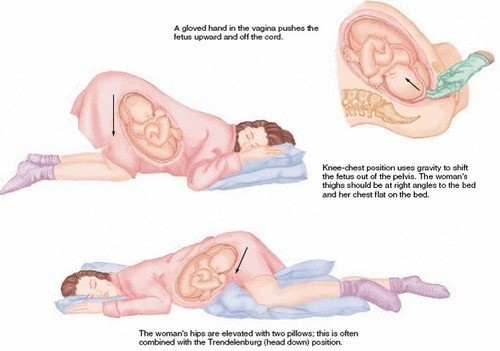
Placing the woman in the knee-chest position.
Starting oxygen by facemask.
Preparing the woman for a vaginal birth.
Covering the cord in sterile gauze soaked in saline.
The Correct Answer is A
In the case of a prolapsed umbilical cord, the first priority intervention is to relieve pressure on the cord. Placing the woman in the knee-chest position or Trendelenburg position with the hips elevated is the best way to achieve this. This position helps to reduce the compression of the cord and improve fetal oxygenation.
Option B is incorrect because while oxygen may be necessary, relieving pressure on the cord is the priority.
Option C is incorrect because a vaginal birth should not proceed with a prolapsed umbilical cord, as it can cause cord compression and fetal distress.
Option D is incorrect because covering the cord in sterile gauze soaked in saline is not a priority intervention and may not be effective in relieving pressure on the cord.
Nursing Test Bank
Naxlex Comprehensive Predictor Exams
Related Questions
Correct Answer is A
Explanation
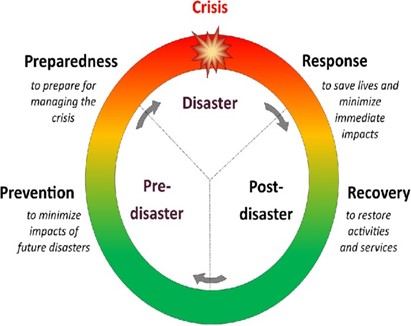
The recovery phase of a disaster is the period when the immediate danger has passed, and the focus shifts to restoring the affected area to its pre-disaster state. The hallmark activities during this phase include the evaluation of the disaster plan, as well as cleanup and rebuilding efforts to help affected individuals and communities recover from the disaster's effects. The recovery phase can last for weeks, months, or even years, depending on the severity and extent of the damage caused by the disaster.
Correct Answer is D
Explanation
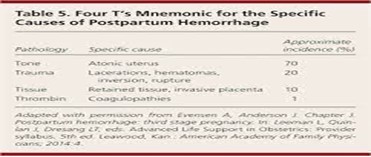
The most common cause of excessive blood loss after childbirth is the failure of the uterine muscle to contract firmly, which is also known as uterine atony. If the uterus does not contract effectively after delivery, it cannot properly close off the blood vessels that were connected to the placenta, leading to heavy bleeding. Uterine atony can occur due to various factors, such as prolonged labor, multiple births, or the use of certain medications during labor.
Other causes of excessive blood loss after childbirth include retained placental fragments, vaginal or vulvar hematomas, or unrepaired lacerations of the vagina or cervix, but these are less common than uterine atony.
Whether you are a student looking to ace your exams or a practicing nurse seeking to enhance your expertise , our nursing education contents will empower you with the confidence and competence to make a difference in the lives of patients and become a respected leader in the healthcare field.
Visit Naxlex, invest in your future and unlock endless possibilities with our unparalleled nursing education contents today