
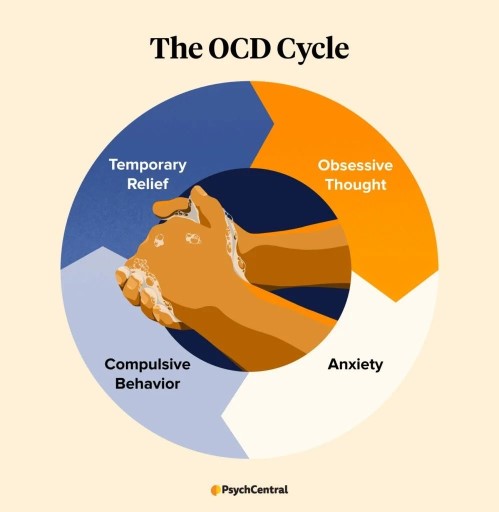
During morning rounds, a client who is admitted with obsessive-compulsive disorder is in the dayroom repeatedly washing the top of the same table. Which intervention should the practical nurse (PN) implement when approaching the client?
Encourage the client to be calm and relax for a little while.
Allow time for the behavior and then redirect the client to other activities.
Teach the client thought-stopping techniques and ways to refocus behaviors.
Assist the client to identify stimuli that precipitate the activity.
The Correct Answer is B
This is the most appropriate intervention for the PN to implement when approaching a client who is exhibiting compulsive behavior. By allowing time for the behavior, the PN acknowledges the client's need to perform the behavior and avoids creating further stress for the client. Redirecting the client to other activities can also help to refocus the client's behavior and prevent further compulsive behavior.
Encouraging the client to be calm and relax for a little while (A) may not be effective in managing the compulsive behavior.
Teaching the client thought-stopping techniques and ways to refocus behaviors (C) and assisting the client to identify stimuli that precipitate the activity (D) are interventions that may be used in the long term, but they may not be immediately effective in managing the client's behavior in the moment.
Nursing Test Bank
Naxlex Comprehensive Predictor Exams
Related Questions
Correct Answer is B
Explanation
Acute leukemia can cause thrombocytopenia, which is a decrease in the number of platelets in the blood. Platelets are essential for blood clotting, and a low platelet count can result in heavy menstrual bleeding. Therefore, reviewing the client's platelet count is the priority in response to the client's statement. The other laboratory data may also be important to assess, but platelet count is the most relevant in this situation.

Correct Answer is C
Explanation
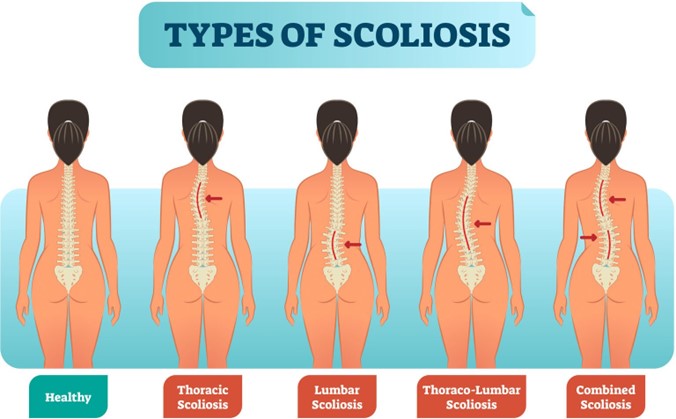
Scoliosis screening is typically performed on early adolescent girls, as this is the age group that is most commonly affected by the condition. Early detection and intervention can help prevent the progression of scoliosis and improve outcomes.
Whether you are a student looking to ace your exams or a practicing nurse seeking to enhance your expertise , our nursing education contents will empower you with the confidence and competence to make a difference in the lives of patients and become a respected leader in the healthcare field.
Visit Naxlex, invest in your future and unlock endless possibilities with our unparalleled nursing education contents today