
A client on the mental health unit has been scowling and rapidly pacing up and down the hall for several minutes. Which behaviors are most important for the practical nurse (PN) to monitor?
Decreased activity level and change in affect.
Periodic sighing and shaking the head.
Repeated requests for attention from the nurse.
Argumentativeness and use of profanity.
The Correct Answer is D
The most important behaviors for the practical nurse (PN) to monitor in this situation are argumentativeness and use of profanity. These behaviors may indicate that the client is becoming agitated and may pose a risk to themselves or others. The PN should closely monitor the client's behavior and take appropriate action to ensure the safety of the client and others on the unit. The other behaviors listed may also be important to monitor, but argumentativeness and use of profanity are the most important in this situation
Nursing Test Bank
Naxlex Comprehensive Predictor Exams
Related Questions
Correct Answer is B
Explanation
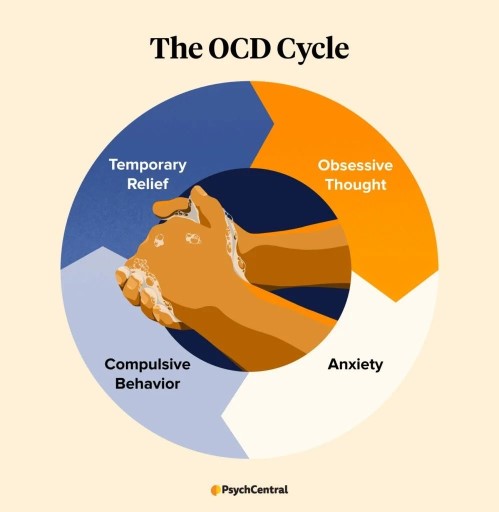
This is the most appropriate intervention for the PN to implement when approaching a client who is exhibiting compulsive behavior. By allowing time for the behavior, the PN acknowledges the client's need to perform the behavior and avoids creating further stress for the client. Redirecting the client to other activities can also help to refocus the client's behavior and prevent further compulsive behavior.
Encouraging the client to be calm and relax for a little while (A) may not be effective in managing the compulsive behavior.
Teaching the client thought-stopping techniques and ways to refocus behaviors (C) and assisting the client to identify stimuli that precipitate the activity (D) are interventions that may be used in the long term, but they may not be immediately effective in managing the client's behavior in the moment.
Correct Answer is A
Explanation
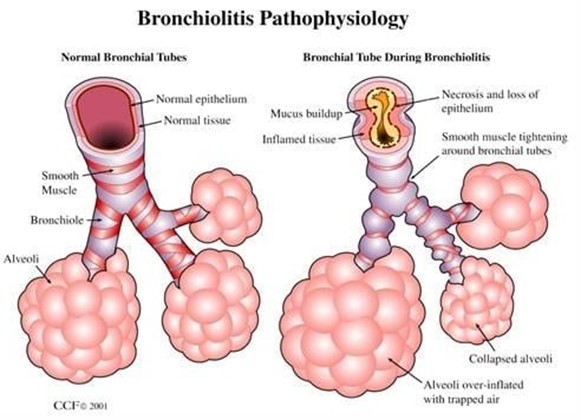
Flaring of the nares, or widening of the nostrils, is a sign of respiratory distress in infants. It indicates that the child is working harder to breathe. This finding should alert the practical nurse (PN) that the child with bronchiolitis is in acute respiratory distress.
A resting respiratory rate of 35 breaths/minute (B) is within the normal range for a 3-month-old infant. Bilateral bronchial breath sounds (C) and diaphragmatic respirations (D) are not specific signs of acute respiratory distress in infants.
Whether you are a student looking to ace your exams or a practicing nurse seeking to enhance your expertise , our nursing education contents will empower you with the confidence and competence to make a difference in the lives of patients and become a respected leader in the healthcare field.
Visit Naxlex, invest in your future and unlock endless possibilities with our unparalleled nursing education contents today