
In an individual experiencing dehydration, which hormone is primarily responsible for conserving water?
Insulin
Antidiuretic hormone (ADH)
Aldosterone
Thyroxine
The Correct Answer is B
A. Insulin: Insulin regulates blood glucose levels and promotes cellular uptake of glucose. It has no role in water conservation or fluid balance.
B. Antidiuretic hormone (ADH): ADH (also called vasopressin) is released by the posterior pituitary in response to increased plasma osmolality or dehydration.
ADH increases water reabsorption in the kidneys by making the renal collecting ducts more permeable to water. This conserves water, concentrates urine, and restores fluid balance.
C. Aldosterone: Aldosterone increases sodium reabsorption and potassium excretion in the kidneys. While water follows sodium, its primary role is electrolyte regulation, not direct water conservation like ADH.
D. Thyroxine: Thyroxine (T4) is a thyroid hormone regulating metabolism, energy production, and growth. It does not regulate body water balance.
Nursing Test Bank
Naxlex Comprehensive Predictor Exams
Related Questions
Correct Answer is B
Explanation
A. Oculomotor nerve (CN III):This is a motornerve responsible for controlling most of the eye's movements (extraocular muscles) and pupil constriction, not the sensation of sight.
B. Optic nerve (CN II):The Optic nerve is a purely sensorynerve. It carries electrical impulses generated by light hitting the retina directly to the visual cortex in the brain for interpretation as images.
C. Trochlear nerve (CN IV):This is a motor nerve responsible for innervating the superior oblique muscle, which moves the eye downward and inward.
D. Trigeminal nerve (CN V):This is a mixed nerve primarily responsible for facial sensation (touch, pain) and the motor function of chewing (mastication).
Correct Answer is D
Explanation
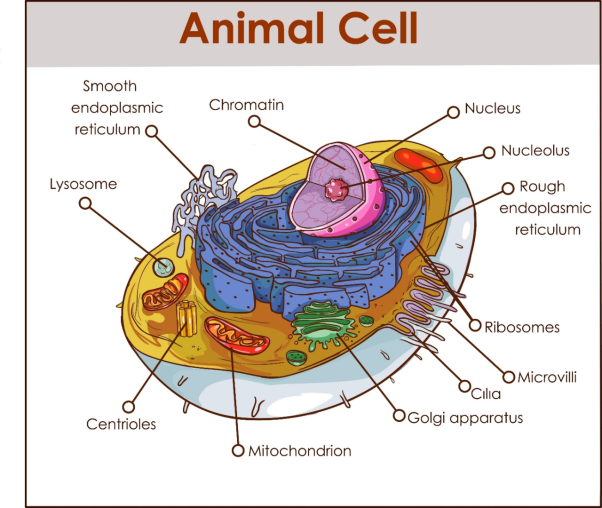
A. Ribosomes:Ribosomes are the sites of protein synthesis. They read RNA sequences to assemble amino acids into proteins, but they do not produce energy.
B. Golgi apparatus:The Golgi apparatus functions as the cell's "post office." It modifies, sorts, and packages proteins and lipids for secretion or delivery to other organelles.
C. Nucleus:The nucleus is the control center of the cell, housing the genetic material (DNA). While it directs cellular activities, it does not directly generate ATP.
D. Mitochondria:Often called the "powerhouse" of the cell, mitochondria are the site of cellular respiration. They break down nutrients (glucose and fatty acids) in the presence of oxygen to produce Adenosine Triphosphate (ATP), the primary energy currency of the cell.
Whether you are a student looking to ace your exams or a practicing nurse seeking to enhance your expertise , our nursing education contents will empower you with the confidence and competence to make a difference in the lives of patients and become a respected leader in the healthcare field.
Visit Naxlex, invest in your future and unlock endless possibilities with our unparalleled nursing education contents today