
Which anatomical term is used to describe a structure closer to the head?
Distal
Superior
Inferior
Proximal
The Correct Answer is B
A. Distal: Distal means farther from the point of attachment or farther from the trunk/center of the body (used for limbs). It does not indicate “closer to the head.”
B. Superior: Superior (also called cranial) means toward the head or upper part of a structure - i.e., closer to the head.
C. Inferior: Inferior means below or toward the feet - farther from the head. It is the opposite of superior.
D. Proximal: Proximal means nearer to the point of attachment to the trunk or nearer to the origin of a structure (used for limbs). It does not mean closer to the head unless the trunk/attachment happens to be superior, so this term is not the correct general term for “closer to the head.”
Nursing Test Bank
Naxlex Comprehensive Predictor Exams
Related Questions
Correct Answer is D
Explanation
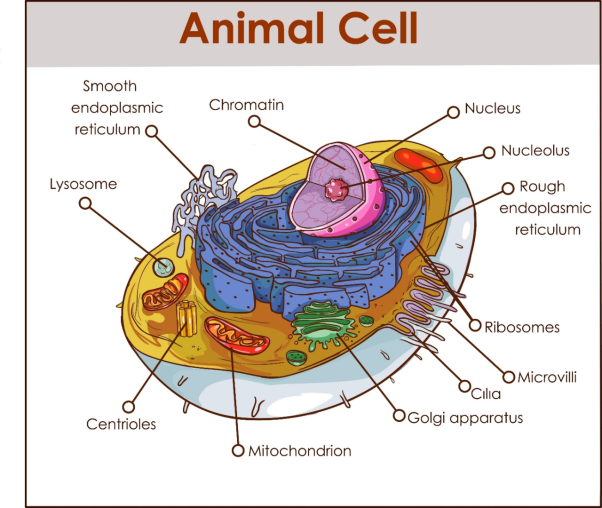
A. Ribosomes:Ribosomes are the sites of protein synthesis. They read RNA sequences to assemble amino acids into proteins, but they do not produce energy.
B. Golgi apparatus:The Golgi apparatus functions as the cell's "post office." It modifies, sorts, and packages proteins and lipids for secretion or delivery to other organelles.
C. Nucleus:The nucleus is the control center of the cell, housing the genetic material (DNA). While it directs cellular activities, it does not directly generate ATP.
D. Mitochondria:Often called the "powerhouse" of the cell, mitochondria are the site of cellular respiration. They break down nutrients (glucose and fatty acids) in the presence of oxygen to produce Adenosine Triphosphate (ATP), the primary energy currency of the cell.
Correct Answer is D
Explanation
A. Thyroxine:Although thyroxine (T4) is regulated by a negative-feedback loop in the hypothalamic-pituitary-thyroid axis (TRH → TSH → T4/T3), its primary role is regulation of metabolism rather than direct, minute-to-minute control of blood glucose. It can influence glucose metabolism over time but is not the main hormone for acute blood glucose homeostasis.
B. Adrenaline:Adrenaline (epinephrine) increases blood glucose by stimulating glycogenolysis and gluconeogenesis during stress or “fight-or-flight.” Its release is driven largely by sympathetic nervous system activation (a feedforward/acute stress response), not by a classic negative-feedback loop aimed at maintaining steady blood glucose.
C. Oxytocin:Oxytocin is regulated by neural reflexes and some feedback mechanisms (notably positive feedback during labor), and it primarily influences uterine contraction and milk let-down. It is not involved in blood glucose regulation.
D. Insulin:Insulin is the primary hormone that reduces blood glucose and is tightly regulated by a negative-feedback mechanism: rising blood glucose stimulates insulin release from pancreatic β-cells; insulin lowers blood glucose (by promoting cellular uptake and storage), which then reduces the stimulus for further insulin secretion.
Whether you are a student looking to ace your exams or a practicing nurse seeking to enhance your expertise , our nursing education contents will empower you with the confidence and competence to make a difference in the lives of patients and become a respected leader in the healthcare field.
Visit Naxlex, invest in your future and unlock endless possibilities with our unparalleled nursing education contents today