
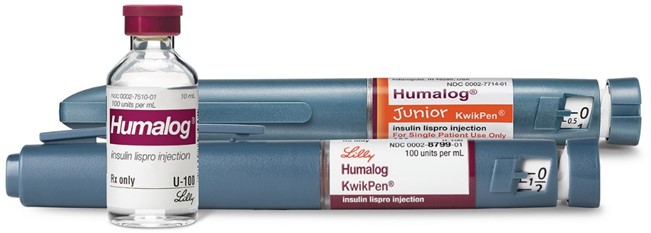
Insulin lispro (Humalog) is what type of insulin?
Long acting
Intermediate acting
Fast acting
Rapid acting
The Correct Answer is D
Yes, that's correct. Insulin lispro (Humalog) is a rapid-acting insulin, which means it begins to work quickly after injection, usually within 15 minutes, and it peaks in about 1 to 2 hours. It typically lasts for 3 to 4 hours in the body.
Nursing Test Bank
Naxlex Comprehensive Predictor Exams
Related Questions
Correct Answer is ["D","F","G"]
Explanation
Option A is incorrect because administering an ACE inhibitor may be a part of the patient's regular medication regimen, but it is not specific to preventing complications of diabetes mellitus while in the hospital.
Option b is incorrect because administering intravenous fluids at a high rate may result in fluid overload, electrolyte imbalances, and other complications, which may not be appropriate for this patient.
Option c is incorrect because administering glucagon is not a preventative measure, but rather an intervention for treating hypoglycemia.
Option d is correct because ensuring a well-lit path to the bathroom is important for fall prevention, but it does not directly address the prevention of complications of diabetes mellitus.
Option e is incorrect because encouraging the client to drink sugar-free liquids is a general recommendation for maintaining hydration and may not be specific to preventing complications of diabetes mellitus.
Option f is correct because teaching the client to rise slowly from the bed is important for preventing orthostatic hypotension, but it does not directly address the prevention of complications of diabetes mellitus.
Option g is correct because Patients with diabetes mellitus are at risk for hypoglycemia when taking insulin or oral hypoglycemic agents. Proper coordination of meal-time insulin with food delivery and consumption can help prevent hypoglycemia or hyperglycemia. This includes ensuring that the patient receives insulin at the appropriate time in relation to meals and monitoring blood glucose levels regularly.
Correct Answer is B
Explanation
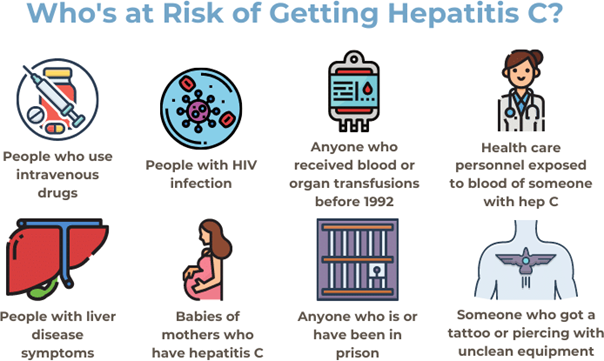
Intravenous drug use is a significant risk factor for hepatitis C transmission. The other options are not necessarily related to hepatitis C transmission. However, having a blood transfusion before 1992 or receiving an organ transplant before 1992, having a history of receiving blood products or clotting factor concentrates before 1987, and having been born to a mother with hepatitis C are also considered significant risk factors for hepatitis C transmission.
Whether you are a student looking to ace your exams or a practicing nurse seeking to enhance your expertise , our nursing education contents will empower you with the confidence and competence to make a difference in the lives of patients and become a respected leader in the healthcare field.
Visit Naxlex, invest in your future and unlock endless possibilities with our unparalleled nursing education contents today