
Which of the following valves separates the atrial and ventricular chambers of the heart?
Pulmonary
Atrioventricular
Semilunar
Aortic
The Correct Answer is B
a. Pulmonary: The pulmonary valve separates the right ventricle from the pulmonary artery, which carries blood to the lungs.
b. Atrioventricular: The heart has four chambers: two upper atria and two lower ventricles. The atrioventricular valves (AV valves), also known as tricuspid and mitral valves, separate the atria from the ventricles and prevent blood from flowing backward from the ventricles to the atria.
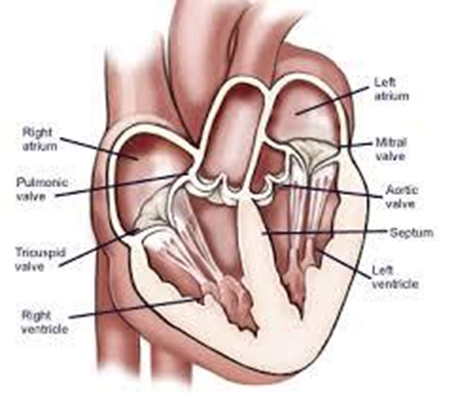
c. Semilunar: Semilunar valves (aortic and pulmonary) are located at the base of the aorta and pulmonary artery, preventing blood from flowing back into the ventricles.
d. Aortic: The aortic valve separates the left ventricle from the aorta, the main artery carrying blood away from the heart to the body.
Nursing Test Bank
Naxlex Comprehensive Predictor Exams
Related Questions
Correct Answer is D
Explanation
a. Insulin and glucagon: These hormones are produced by the pancreas and regulate blood glucose levels, not involved in the fight or flight response.
b. Dehydroepiandrosterone and estradiol: These are adrenal and gonadal hormones involved in sexual function and other roles, but not in the immediate stress response.
c. Ghrelin and kisspeptin: Ghrelin is involved in hunger signaling, and kisspeptin in reproductive hormone signaling, neither are involved in the stress response.
d. Epinephrine and norepinephrine: These are the primary hormones released by the adrenal medulla in response to stress, preparing the body for a fight or flight response by increasing heart rate, blood pressure, and blood glucose levels.
Correct Answer is B
Explanation
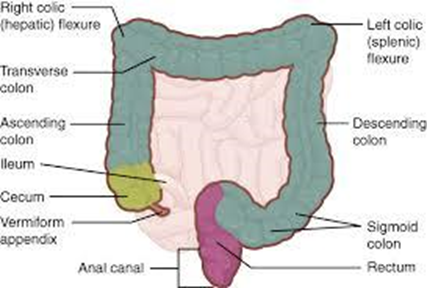
a. Splenic flexure: This is the bend between the transverse and descending colon on the left side, also known as the left colic flexure.
b. Right colic flexure: The hepatic flexure, also known as the right colic flexure, is the bend between the ascending and transverse colon near the liver.
c. Pontine flexure: This refers to a bend in the developing brainstem, not the colon.
d. Left colic flexure: This is another name for the splenic flexure, not the hepatic flexure.
Whether you are a student looking to ace your exams or a practicing nurse seeking to enhance your expertise , our nursing education contents will empower you with the confidence and competence to make a difference in the lives of patients and become a respected leader in the healthcare field.
Visit Naxlex, invest in your future and unlock endless possibilities with our unparalleled nursing education contents today