
On admission, the healthcare provider describes a broad spectrum of antibiotic, ticarcillin for a client with a gram-negative infection. Before administering the first dose, it is most important for the nurse to implement which prescription?
Monitor for signs of sodium and fluid retention.
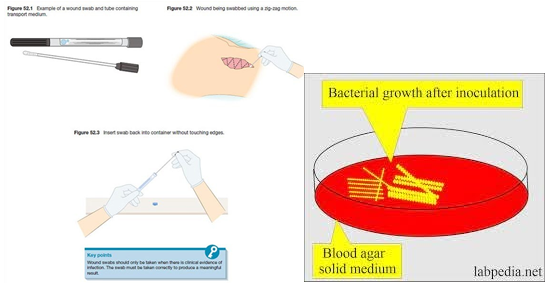
Wound and blood specimen for culture and sensitivity.
Irrigation and tropical antibiotic application to wound area.
Complete the blood count and serum electrolytes.
The Correct Answer is B
Before administering the first dose of any antibiotic, it is essential to obtain a culture and sensitivity test to identify the causative organism and determine the most effective antibiotic to use. Administering a broad- spectrum antibiotic before obtaining a culture and sensitivity test may lead to the development of antibiotic-resistant strains of bacteria, making it more difficult to treat the infection in the future.
Options a, c, and d are not as important as obtaining a culture and sensitivity test. Monitoring for signs of sodium and fluid retention, irrigation and topical antibiotic application to the wound area, and completing blood count and serum electrolytes are important, but obtaining a culture and sensitivity test is the priority.
Nursing Test Bank
Naxlex Comprehensive Predictor Exams
Related Questions
Correct Answer is C
Explanation
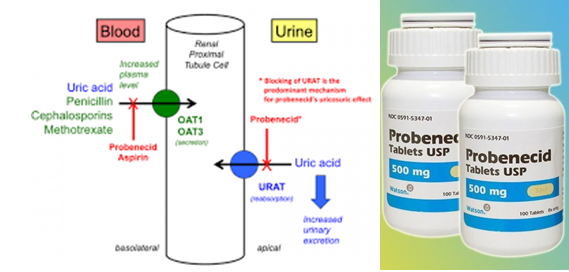
Probenecid is a uricosuric drug that works by inhibiting the reabsorption of uric acid in the kidneys and promotes its excretion in the urine. This drug is used to treat gout and hyperuricemia (high levels of uric acid in the blood). Therefore, the nurse should explain to the client that the purpose of probenecid is to promote the excretion of uric acid in the urine and lower the levels of uric acid in the blood, which can help prevent gout attacks and kidney stones.
Options a, b, and d are incorrect as they do not accurately describe the mechanism of action or purpose of probenecid.
Correct Answer is A
Explanation
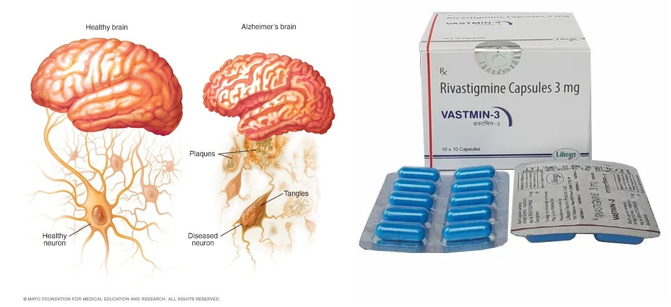
The nurse should explain to the client's daughter that Rivastigmine is most effective when used early during Alzheimer's disease. Delaying the use of the medication until the symptoms are no longer manageable may result in the drug being less effective.
The nurse should emphasize the importance of following the healthcare provider's instructions for administering the medication to maximize its therapeutic effect. It is important to educate the client's daughter about the progressive nature of Alzheimer's disease and the need for ongoing monitoring and care.
Whether you are a student looking to ace your exams or a practicing nurse seeking to enhance your expertise , our nursing education contents will empower you with the confidence and competence to make a difference in the lives of patients and become a respected leader in the healthcare field.
Visit Naxlex, invest in your future and unlock endless possibilities with our unparalleled nursing education contents today