
Patient Data
The nurse is anticipating which additional medications the healthcare provider may prescribe for the client to manage side effects while on morphine sulfate.
Select the 3 medications that would be most appropriate to manage the side effects of morphine sulfate.
St. John's wort
Sildenafil
Ondansetron
Naloxone
Meperidine
Docusate sodium
Correct Answer : C,D,F
A. St. John's wort: This herbal supplement is not used to manage opioid side effects and may interact with other medications, including opioids, making it inappropriate for this purpose.
B. Sildenafil: Sildenafil is used to treat erectile dysfunction and has no role in managing morphine side effects. It is unrelated to pain management or opioid-related adverse effects.
C. Ondansetron: Ondansetron is an antiemetic commonly prescribed to prevent or treat nausea and vomiting, which are frequent side effects of morphine administration.
D. Naloxone: Naloxone is an opioid antagonist used to reverse severe opioid-induced respiratory depression. It is essential for emergency management of potentially life-threatening side effects of morphine.
E. Meperidine: Meperidine is an opioid analgesic and is not used to treat side effects of morphine. Using another opioid would not address morphine-induced complications and may increase risk of adverse effects.
F. Docusate sodium: Opioid-induced constipation is common with morphine. Docusate sodium is a stool softener used prophylactically to prevent or treat constipation associated with opioid therapy.
Nursing Test Bank
Naxlex Comprehensive Predictor Exams
Related Questions
Correct Answer is C
Explanation
A. Absent sounds: Absent bowel sounds are abnormal and may indicate an ileus, obstruction, or decreased intestinal motility, requiring further assessment.
B. Pain: Pain elicited during percussion is not a normal finding and may indicate underlying pathology such as inflammation, infection, or organ enlargement.
C. Musical and drumlike: Tympany, which produces a musical, drumlike sound during percussion, is a normal finding over air-filled structures in the abdomen. It indicates the presence of gas in the stomach and intestines, reflecting normal gastrointestinal function.
D. Tenderness: Tenderness on percussion is abnormal and may suggest inflammation, infection, or other abdominal pathology requiring further evaluation.
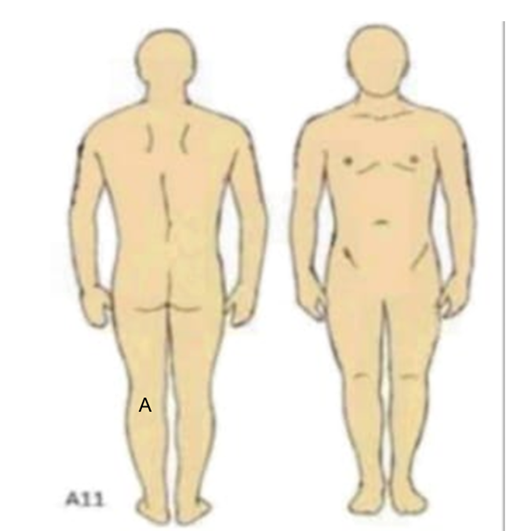
Correct Answer is "{\"xRanges\":[24.75253686935637,42.04549690532573],\"yRanges\":[62.826215561361366,80.16865945855535]}"
Explanation
To measure blood pressure from the left thigh, the diaphragm of the stethoscope should be placed over the popliteal artery, which is located behind the knee. This placement allows you to auscultate the Korotkoff sounds accurately when measuring thigh blood pressure.
Whether you are a student looking to ace your exams or a practicing nurse seeking to enhance your expertise , our nursing education contents will empower you with the confidence and competence to make a difference in the lives of patients and become a respected leader in the healthcare field.
Visit Naxlex, invest in your future and unlock endless possibilities with our unparalleled nursing education contents today