
The client had a nasogastric tube placed two days ago. Which nursing action provides the most reliable means to assess placement of a client's nasogastric tube, prior to each medication administration?
Place end of tube in water and observe for bubbling.
Using auscultation technique.
Measure pH of aspirates.
Radiographic confirmation.
The Correct Answer is D
Radiographic confirmation. Radiographic confirmation is the most reliable method to verify the placement of nasogastric tubes, and it is considered the gold standard. The nurse should use it to confirm placement initially and periodically to ensure that the tube is in the stomach and not in the lungs or esophagus.
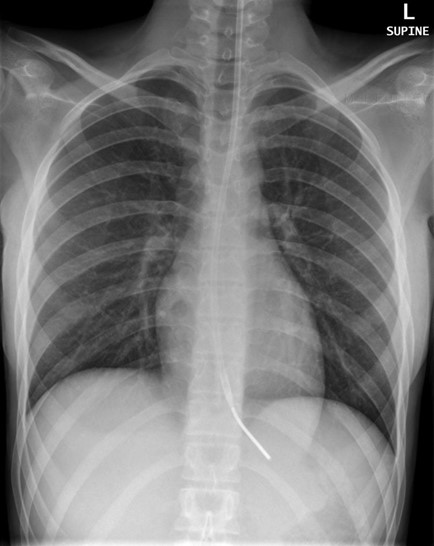
Option A, placing the end of the tube in water and observing for bubbling, is incorrect because it is not a reliable method, and it can cause aspiration or infection.
Option B, using the auscultation technique, is incorrect because it can lead to misinterpretation of bowel sounds, and it is not reliable.
Option C, measuring pH of aspirates, is incorrect because it is not a reliable method, and it can be affected by several factors, including medications, stress, and nutritional status.
Nursing Test Bank
Naxlex Comprehensive Predictor Exams
Related Questions
Correct Answer is C
Explanation
Ischemic. Imaging studies indicate an occlusion partially obstructing the right carotid artery, which may result in reduced blood flow to the brain, leading to ischemia. Ischemic stroke is caused by a blocked or narrowed artery that supplies blood to the brain.
Option A: Right-sided and Option B: Left-sided are not correct answers as they refer to the location of the stroke, which cannot be determined by the information provided in the question.
Option D: Hemorrhagic is not a correct answer as it is caused by bleeding in the brain, not a blocked or narrowed artery.
Correct Answer is B
Explanation
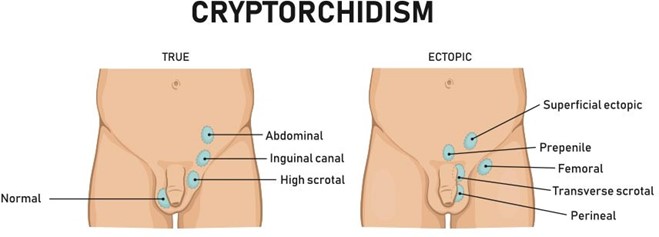
The assessment finding that is most important in determining which client has a higher risk for testicular cancer is cryptorchidism as an infant. Cryptorchidism, or undescended testicle(s), is a condition where one or both testicles fail to move from the abdomen into the scrotum before birth. Males with cryptorchidism are many times more likely to get testicular cancer than those with normally descended testicles. Cryptorchidism is the main risk factor for testicular cancer, while other factors such as previous STI, low sperm count, and family history of cancer are less clear or less common
Whether you are a student looking to ace your exams or a practicing nurse seeking to enhance your expertise , our nursing education contents will empower you with the confidence and competence to make a difference in the lives of patients and become a respected leader in the healthcare field.
Visit Naxlex, invest in your future and unlock endless possibilities with our unparalleled nursing education contents today