
A client that the nurse is caring for experiences a seizure. What would be a priority nursing action?
Restrain the client during the seizure.
Protect the client from injury.
Suction the mouth during the convulsion.
Insert a tongue blade between the teeth.
The Correct Answer is B
During a seizure, the nurse's priority is to ensure the client's safety by protecting them from injury. The nurse should loosen any tight clothing and move furniture or objects that may harm the client. The client should be turned onto their side to prevent aspiration, and suctioning the mouth is not indicated during the seizure. Restraints are not appropriate during a seizure, and inserting a tongue blade between the teeth can cause injury.
Nursing Test Bank
Naxlex Comprehensive Predictor Exams
Related Questions
Correct Answer is A
Explanation
Change in bowel habits. Change in bowel habits, such as diarrhea, constipation, or a change in stool consistency, is a common early symptom of colon cancer. The nurse should advise clients over age 50 to report any changes in bowel habits to their primary care provider for early intervention.
Choice B is incorrect because abdominal cramping is a common symptom of irritable bowel syndrome and not necessarily an early symptom of colon cancer.
Choice C is incorrect because daily bowel movements are considered normal for some individuals and are not necessarily indicative of colon cancer.
Choice D is incorrect because excess gas is not an early symptom of colon cancer.
Correct Answer is A
Explanation
The tumor is confined to the prostate gland. Stage I prostate cancer means that the tumor is localized to the prostate gland and has not spread to other parts of the body.
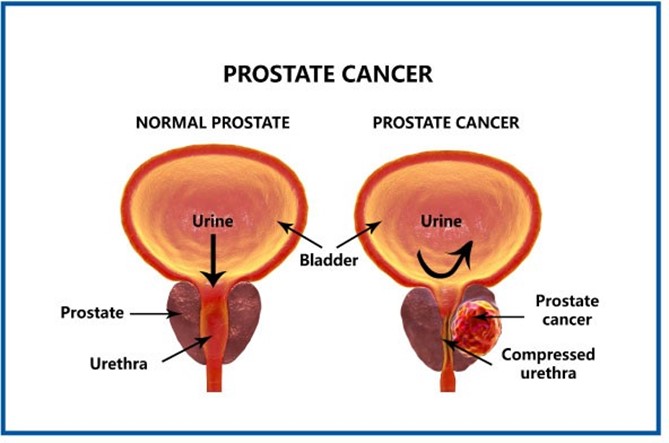
B: This option is incorrect because it indicates that the tumor has expanded to the bladder, which is not indicative of stage I prostate cancer.
C: This option is partially correct, but it does not provide a complete picture of stage I prostate cancer.
D: This option is incorrect because it indicates that the tumor has spread beyond the prostate, which is not indicative of stage I prostate cancer.
Whether you are a student looking to ace your exams or a practicing nurse seeking to enhance your expertise , our nursing education contents will empower you with the confidence and competence to make a difference in the lives of patients and become a respected leader in the healthcare field.
Visit Naxlex, invest in your future and unlock endless possibilities with our unparalleled nursing education contents today