
The four classes of psychotherapeutic medications include antianxiety agents, antidepressants, antimanics, and
The Correct Answer is {"dropdown-group-1":"C"}
Antipsychotics are used in the management of patients with psychotic disorders such as schizophrenia, schizoaffective disorder, and delusional disorder. They include drugs such as olanzapine, clozapine, quetiapine, and risperidone.
Nursing Test Bank
Naxlex Comprehensive Predictor Exams
Related Questions
Correct Answer is B
Explanation
Choice A rationale: the nurse is not the primary focus of a therapeutic relationship and does not focus on their personal or professional needs. However, they should always maintain appropriate boundaries and avoid becoming too emotionally involved or attached to the client.
Choice B rationale: the client is the primary focus of a therapeutic relationship hence the care provided should meet the client’s needs, well-being, and expectations.
Choice C rationale: a therapeutic relationship is not focused on establishing a friendship but on developing a working alliance between the nurse and the client.
Choice D rationale: The plan of care is an important tool for guiding the therapeutic relationship, but it is not the focus of the relationship.
Correct Answer is D
Explanation
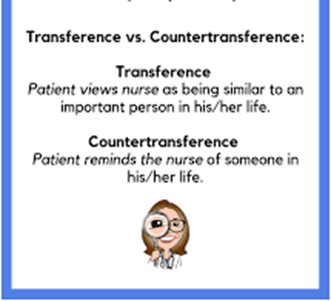
Choice A rationale: Transference involves the client projecting feelings or attitudes onto the healthcare provider and can affect the therapeutic relationship.
Choice B rationale: Environmental problems are external issues arising from the individual’s physical and social setting such as interruptions and noise and can affect the therapeutic environment, not the nurse's emotional responses.
Choice C rationale: Resistance refers to the situation where the client consciously or unconsciously opposes or is reluctant to engage in therapeutic interventions and hinders treatment progress and outcomes.
Choice D rationale: Countertransference occurs when the healthcare provider projects their feelings and emotions, experiences, or unresolved issues onto the client. The nurse's overprotective feelings interfere with the objectivity and effectiveness of the therapeutic relationship.
Whether you are a student looking to ace your exams or a practicing nurse seeking to enhance your expertise , our nursing education contents will empower you with the confidence and competence to make a difference in the lives of patients and become a respected leader in the healthcare field.
Visit Naxlex, invest in your future and unlock endless possibilities with our unparalleled nursing education contents today