
The nurse is checking the blood glucose of a client and has a reading of 48. The client is not easily awakened and only responds with a groan. What will the nurse administer to raise the blood glucose level?
Orange juice.
Glucagon.
Cortisone.
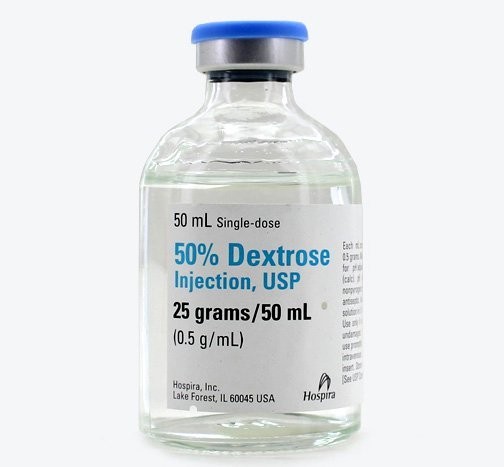
Intravenous dextrose solution.
The Correct Answer is D
A blood glucose reading of 48 is considered low and requires immediate intervention to raise the client's blood sugar. Intravenous dextrose solution is the fastest way to raise blood sugar levels in an unconscious client. Glucagon and cortisone can also be used to raise blood sugar levels, but they are not the first-line treatment for hypoglycemia.
Choice A, orange juice, is not appropriate for an unconscious client as they cannot swallow or drink.
Nursing Test Bank
Naxlex Comprehensive Predictor Exams
Related Questions
Correct Answer is ["B","C","D","E"]
Explanation
"Temperature regulation," "Protection," "Sensory processing," and "Chemical synthesis." These are all functions of the skin that the nurse should expect students to identify during a group discussion about the skin's functions. Choice A, "Metabolism," is not a primary function of the skin, although the skin does play a role in the synthesis of vitamin D, which can impact metabolism.
Correct Answer is B
Explanation
Assess the client for the ability to ambulate independently. The highest priority nursing intervention for a client admitted to a neurologic rehabilitation unit following a cerebrovascular accident is to assess the client's ability to ambulate independently. This assessment will help the nurse determine the level of assistance required and develop an appropriate care plan.
Option A. Providing instruction on blood-thinning medication is not the highest priority as it can be done later when the client's ambulation status is stable.
Option C. Including the client in the planning of care and setting of goals is important but not the highest priority in this situation as it can be done after assessing the client's ambulation status.
Option D. Praise the client when using adaptive equipment, is not the highest priority as the client's ambulation status is more important at this point.
Whether you are a student looking to ace your exams or a practicing nurse seeking to enhance your expertise , our nursing education contents will empower you with the confidence and competence to make a difference in the lives of patients and become a respected leader in the healthcare field.
Visit Naxlex, invest in your future and unlock endless possibilities with our unparalleled nursing education contents today