
The nurse is describing how to perform a testicular self-examination to a client. Which of the following should be the appropriate statement by the nurse?
"A good time to examine your testicles is just before you take a shower."
"If you notice an enlarged testicle or a painless lump, call your health care provider."
"Perform a testicular examination at least once a week to detect the early stages of testicular cancer."
"The testicle is egg-shaped and movable. It feels firm and has a lumpy consistency."
The Correct Answer is B
A. Timing for testicular examination isn't as crucial as recognizing changes in the testicles. While showering might facilitate the exam, it's not the only appropriate time.
B. Noticing an enlargement or painless lump is a crucial sign that requires immediate medical attention for evaluation.
C. Performing a testicular examination once a week might not be necessary for most individuals. Monthly self-examination is often recommended.
D. Describing the testicle's normal characteristics is helpful, but recognizing changes such as lumps or enlargements is more critical for self-examination.
Nursing Test Bank
Naxlex Comprehensive Predictor Exams
Related Questions
Correct Answer is ["A"]
Explanation
A. Abdominal distention can occur due to gas accumulation from undigested lactose.
B. Visible peristalsis is not typically a specific clinical finding associated with lactose intolerance.
C. Hypoactive bowel sounds are not commonly associated with lactose intolerance.
D. Occasional diarrhea is a common symptom due to the inability to digest lactose properly.
E. Flatus or excessive gas production is a common symptom due to the fermentation of undigested lactose by intestinal bacteria.
Correct Answer is C
Explanation
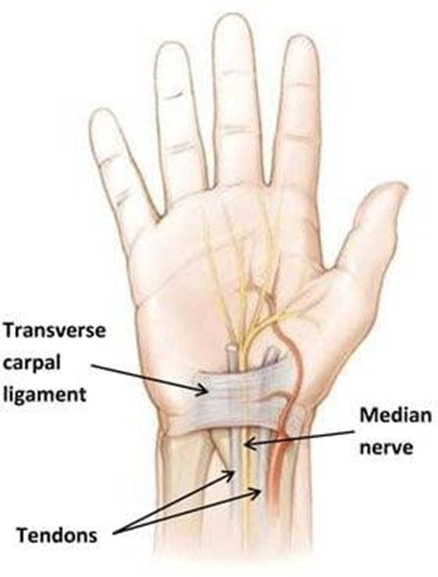
A. Plantarflexion and dorsiflexion refer to movements of the foot and are unrelated to the Phalen test.
B. Hyperextension of the wrists with the palmar surfaces touching is not the correct maneuver for the Phalen test.
C. The Phalen test involves holding both hands back to back while flexing the wrists at a 90- degree angle for about 60 seconds, which may induce symptoms of carpal tunnel syndrome in those affected.
D. Hyperextending the wrists with the palms together doesn’t simulate the stress on the median nerve in the same way as the Phalen test.
Whether you are a student looking to ace your exams or a practicing nurse seeking to enhance your expertise , our nursing education contents will empower you with the confidence and competence to make a difference in the lives of patients and become a respected leader in the healthcare field.
Visit Naxlex, invest in your future and unlock endless possibilities with our unparalleled nursing education contents today