
The nurse is evaluating a child with acute glomerulonephritis who presents at the clinic with increased fatigue, facial swelling, and decreased appetite. The child’s urine sample is dark yellow. What additional finding should the nurse report to the healthcare provider?
Blood pressure 88/50 mmHg
Weight loss
Maculopapular rash over the trunk of the body
Positive rapid strep test of the oropharynx
The Correct Answer is D
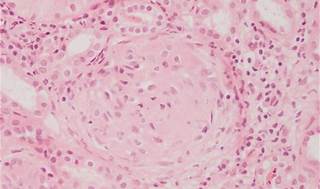
The correct answer is choice d. Positive rapid strep test of the oropharynx.
Choice A rationale:
Blood pressure of 88/50 mmHg is lower than normal but not typically associated with acute glomerulonephritis. High blood pressure is more common in this condition.
Choice B rationale:
Weight loss is not a typical symptom of acute glomerulonephritis. Instead, fluid retention and weight gain are more common due to edema.
Choice C rationale:
A maculopapular rash over the trunk is not commonly associated with acute glomerulonephritis. This condition usually presents with symptoms like hematuria, proteinuria, and edema.
Choice D rationale:
A positive rapid strep test of the oropharynx indicates a recent streptococcal infection, which is a common cause of acute glomerulonephritis. Reporting this finding is crucial for appropriate management.
Nursing Test Bank
Naxlex Comprehensive Predictor Exams
Related Questions
Correct Answer is A
Explanation
Choice A rationale
In an infant with aortic stenosis and bilateral fine crackles in both lung fields, hypotension and tachycardia are additional findings that the nurse should expect to observe. Aortic stenosis can lead to decreased cardiac output, which can result in hypotension. The body compensates for this by increasing the heart rate, leading to tachycardia.
Choice B rationale
Vigorous feeding and satiation are not typically associated with aortic stenosis. Infants with aortic stenosis may actually have difficulty feeding due to fatigue.
Choice C rationale
Fever is not a typical symptom of aortic stenosis. If an infant with aortic stenosis has a fever, it may indicate a concurrent infection.
Choice D rationale
Hemiplegia, or paralysis of one side of the body, is not a typical symptom of aortic stenosis. If an infant with aortic stenosis presents with hemiplegia, it may indicate a serious complication such as a stroke.
Correct Answer is C
Explanation
Choice A rationale
Recognizing most letters and numbers is a skill that typically develops later in childhood, not at 3 years old.
Choice B rationale
Using 1-word sentences is a skill that is typically mastered by 2 years old. A 3-year-old child is usually able to speak in longer sentences.
Choice C rationale
Speaking in simple sentences with four or more words is a normal developmental milestone for a 3-year-old child.
Choice D rationale
Using gestures with 1 to 2-word sentences is a skill that is typically mastered by 2 years old. A 3-year-old child is usually able to speak in longer sentences.
Whether you are a student looking to ace your exams or a practicing nurse seeking to enhance your expertise , our nursing education contents will empower you with the confidence and competence to make a difference in the lives of patients and become a respected leader in the healthcare field.
Visit Naxlex, invest in your future and unlock endless possibilities with our unparalleled nursing education contents today