
The nurse is preparing to witness the patient signing the operative consent form when the patient says, "I don't understand what the doctor said about the surgery." Which action should the nurse take next?
Notify the surgeon that the informed consent process is not complete.
Notify the operating room nurse to give a more complete explanation of the procedure.
Provide a thorough explanation of the planned surgical procedure
Give the prescribed preoperative antibiotics and withhold sedative medications.
The Correct Answer is A
A. Notify the surgeon that the informed consent process is not complete. The nurse should inform the surgeon because the surgeon is responsible for ensuring that the patient has adequate information and understands the procedure. It is not appropriate for the nurse to proceed with the consent process if the patient has questions or uncertainties.
B. Notify the operating room nurse to give a more complete explanation of the procedure. While the operating room nurse plays a role in the surgical process, it is the surgeon’s responsibility to provide a complete explanation of the procedure.
C. Provide a thorough explanation of the planned surgical procedure. While it’s important to provide information, the nurse is not authorized to explain the surgical procedure in detail. The surgeon should explain the surgery, as they have the training and knowledge to address all aspects of the procedure and answer any specific questions.
D. Give the prescribed preoperative antibiotics and withhold sedative medications. Administering preoperative medications, including antibiotics, without completed informed consent would be inappropriate. The patient must fully understand the procedure and consent to it before any medications are given.
Nursing Test Bank
Naxlex Comprehensive Predictor Exams
Related Questions
Correct Answer is B
Explanation
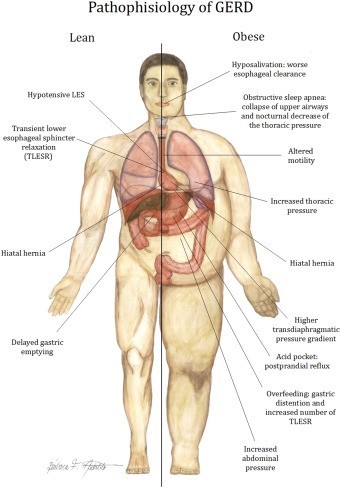
Excess body weight, particularly in the abdominal area, can increase intra-abdominal pressure and lead to the weakening of the lower esophageal sphincter (LES). The LES is responsible for preventing stomach acid from flowing back into the esophagus. When it becomes weakened, it can contribute to the development of GERD. Other risk factors for GERD include certain dietary choices, such as consuming fatty and spicy foods, smoking, pregnancy, and alcohol consumption.
Correct Answer is A
Explanation
In a client with minimal change nephrotic syndrome (MCNS), the primary concern is the management of fluid volume and hydration status. MCNS is characterized by increased glomerular permeability, leading to excessive protein loss in the urine and subsequent hypoalbuminemia. This can result in fluid retention and edema formation, including facial edema.
Hypertension is a common complication in clients with MCNS, and it further contributes to fluid retention and potential complications. Therefore, closely monitoring the client's fluid volume and hydration status, including daily weights, intake and output measurements, and assessment of edema, is crucial to detect any changes and guide appropriate interventions.
While other actions, such as consulting with a registered dietitian about adequate intake or using sterile technique to prevent infections, may be important aspects of the client's care, they are not the priority in this situation. The immediate concern is managing the client's hypertension and fluid volume status to prevent complications associated with MCNS.
Whether you are a student looking to ace your exams or a practicing nurse seeking to enhance your expertise , our nursing education contents will empower you with the confidence and competence to make a difference in the lives of patients and become a respected leader in the healthcare field.
Visit Naxlex, invest in your future and unlock endless possibilities with our unparalleled nursing education contents today