
The nurse is providing discharge teaching to a client with venous insufficiency about compression stockings. Which information is essential for the nurse in the teaching plan?
The need to take anticoagulants concurrent with using compression stockings
The need to wear the stockings on a one day on, one day off schedule
The importance of wearing the stockings around the clock to ensure maximum benefit
The importance of ensuring the stockings are applied evenly with no pressure points
The Correct Answer is D
The importance of ensuring the stockings are applied evenly with no pressure points: Compression stockings are designed to provide graduated pressure to the legs, helping improve blood flow and reduce swelling in individuals with venous insufficiency. It is crucial for the client to understand how to properly apply the stockings to maximize their effectiveness and prevent any complications. The nurse should emphasize the following points:
● Ensure the stockings are applied evenly: The stockings should be applied smoothly and evenly without any folds or wrinkles. This helps ensure that the pressure is distributed uniformly, enhancing their therapeutic effect.
● Check for pressure points: The client should be instructed to pay attention to any areas where the stockings may be causing excessive pressure or discomfort. Pressure points can impair circulation or cause skin damage. If pressure points are noticed, adjustments should be made to ensure proper fit and comfort.
● Follow manufacturer's instructions: The nurse should provide specific instructions regarding how to correctly don the compression stockings, including any specific guidelines provided by the manufacturer. This may include recommendations for the time of day to apply the stockings or any specific donning techniques.
The other options mentioned in the question are not essential information for the teaching plan:
The need to take anticoagulants concurrent with using compression stockings: While some individuals with venous insufficiency may require anticoagulant therapy, it is not directly related to the use of compression stockings. Anticoagulant therapy is typically prescribed for other reasons, such as prevention or treatment of blood clots.
The need to wear the stockings on a one day on, one day off schedule: Wearing compression stockings on a specific schedule of one day on, one day off is not a standard recommendation. The frequency and duration of wearing compression stockings may vary based on individual needs and healthcare provider's recommendations.
The importance of wearing the stockings around the clock to ensure maximum benefit: While consistent and regular use of compression stockings is important, it is not necessary to wear them around the clock. Healthcare providers typically provide specific guidelines on how long the stockings should be worn each day, which may vary based on the severity of venous insufficiency and individual factors.
Nursing Test Bank
Naxlex Comprehensive Predictor Exams
Related Questions
Correct Answer is C
Explanation
"I will use a heating pad on my feet at night to increase the circulation.": Using a heating pad on the feet at night is not recommended for clients with peripheral artery disease. The application of heat, such as from a heating pad, can dilate blood vessels and potentially worsen the symptoms of peripheral artery disease. This can lead to reduced blood flow to the affected limbs and increase the risk of complications.
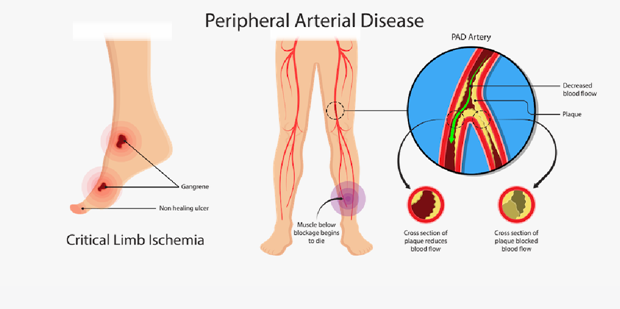
The other client statements demonstrate an understanding of peripheral artery disease management:
"I will avoid long periods of sitting down with my legs crossed over." This statement shows awareness of the importance of maintaining good blood flow and avoiding positions that can restrict circulation.
"I will walk to the point of pain, rest, and walk again for at least 30 minutes." This statement indicates an understanding of the concept of intermittent claudication, a common symptom of peripheral artery disease. Walking until pain occurs, resting, and then resuming walking helps improve circulation and increases walking distance over time.
"I will buy some loose clothes that do not bind across my legs or waist." This statement reflects an awareness of the need to wear loose-fitting clothes that do not constrict blood flow to the legs or waist area.
Correct Answer is D
Explanation
While it is generally recommended to avoid close or prolonged exposure to strong magnetic fields, such as those generated by MRI machines, placing items that generate magnetic fields over the pacemaker/ICD, such as cell phones or certain medical devices, does not typically pose a risk. Therefore, it would be important for the nurse to clarify the client's understanding and provide accurate information about the precautions related to magnetic fields.
The other statements made by the client are generally correct and align with the typical recommendations for individuals with pacemakers/ICDs:
Avoiding contact sports or lifting heavy objects for a specified period of time after pacemaker/ICD insertion is usually advised to allow for proper healing and to reduce the risk of lead dislodgment or damage to the device.
Informing dentists and healthcare providers about the presence of a pacemaker/ICD is important so that they can take appropriate precautions during procedures or treatments that may involve electromagnetic interference or interfere with the device's functioning.
While it is generally advised to avoid close proximity to strong magnetic fields, such as those in airports or certain household appliances, it does not necessarily mean completely avoiding them. The nurse can clarify the specific recommendations regarding metal detectors at airports and the safe use of household appliances.
Whether you are a student looking to ace your exams or a practicing nurse seeking to enhance your expertise , our nursing education contents will empower you with the confidence and competence to make a difference in the lives of patients and become a respected leader in the healthcare field.
Visit Naxlex, invest in your future and unlock endless possibilities with our unparalleled nursing education contents today