
The nurse is teaching a patient who has Parkinson's disease about the side effects of carbidopa-levodopa. Which statement by the patient indicates a need for further teaching?
"I may experience urinary retention, dry mouth, and constipation."
"I may feel dizzy at first, but this side effect will go away with time."
"I should report nightmares and mental disturbances to my provider."
"I should take the drug with food to increase absorption."
The Correct Answer is D
A. "I may experience urinary retention, dry mouth, and constipation."
This statement is accurate. Urinary retention, dry mouth, and constipation are common side effects of carbidopa-levodopa. The patient should be aware of these potential side effects and report them to the healthcare provider if they become problematic.
B. "I may feel dizzy at first, but this side effect will go away with time."
This statement is accurate. Dizziness is a common initial side effect of carbidopa-levodopa, and it often improves with continued use. The patient should be encouraged to report persistent dizziness to the healthcare provider.
C. "I should report nightmares and mental disturbances to my provider."
This statement is accurate. Nightmares and mental disturbances can be side effects of carbidopa-levodopa. The patient should report these symptoms to the healthcare provider for further evaluation and potential adjustments to the medication.
D. "I should take the drug with food to increase absorption."
This statement indicates a need for further teaching. Carbidopa-levodopa is best absorbed when taken on an empty stomach. Taking it with food, especially high-protein meals, can reduce its absorption. The patient should be instructed to take the medication at least 30 minutes before meals or one to two hours after meals for optimal effectiveness.
Nursing Test Bank
Naxlex Comprehensive Predictor Exams
Related Questions
Correct Answer is A
Explanation
A. Carbidopa-levodopa
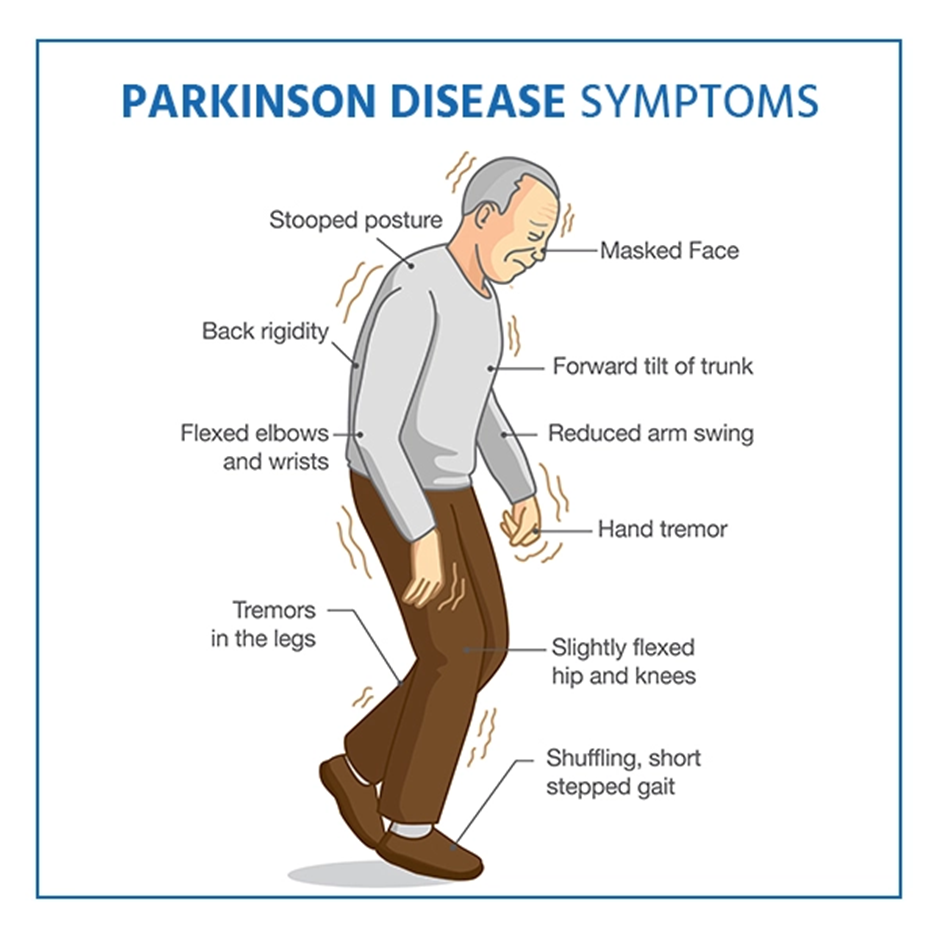
The symptoms described, including a shuffling gait, lack of facial expression, and tremors at rest, are characteristic of Parkinson's disease. Carbidopa-levodopa is a common medication used in the management of Parkinson's disease.
B. Donepezil
Donepezil is used in the treatment of Alzheimer's disease, a condition characterized by cognitive decline and memory impairment. It is not indicated for Parkinson's disease.
C. Rivastigmine
Rivastigmine is another medication used in the treatment of Alzheimer's disease, and it is also used in Parkinson's disease dementia. However, it is not the primary medication for the motor symptoms of Parkinson's disease.
D. Tacrine
Tacrine was once used in the treatment of Alzheimer's disease, but it is no longer commonly prescribed due to safety concerns and the availability of newer, safer medications. It is not indicated for Parkinson's disease.
Correct Answer is B
Explanation
A. The patient's understanding of the medication:
While it's important for the patient to understand their medication, assessing their understanding is typically done through patient education and counseling. This assessment is vital for promoting adherence and safe medication practices but is not the primary consideration immediately before administration.
B. The patient's ability to swallow:
This is the correct answer. Assessing the patient's ability to swallow is crucial before administering oral medications to ensure that the patient can safely and effectively take the prescribed medication without the risk of aspiration or choking.
C. The patient's allergies:
Assessing the patient's allergies is an essential step in medication administration, but it is generally part of the overall medication safety process. It may not be the primary assessment immediately before administering an oral medication, but it is a crucial consideration.
D. The eyesight:
The patient's eyesight is not typically a primary assessment before administering oral medications. While visual impairments can affect a patient's ability to read medication labels or instructions, it is not the immediate concern when assessing readiness for oral medication administration.
Whether you are a student looking to ace your exams or a practicing nurse seeking to enhance your expertise , our nursing education contents will empower you with the confidence and competence to make a difference in the lives of patients and become a respected leader in the healthcare field.
Visit Naxlex, invest in your future and unlock endless possibilities with our unparalleled nursing education contents today