
Ondansetron (Zofran) has been ordered for the patient undergoing cancer chemotherapy to control the severe nausea and vomiting. What side effects should the nurse observe for?
Headache, dizziness, and fatigue
Anorexia and hair 18s
Abdominal cramping and irritability
Psychosis and middle ear disturbances
The Correct Answer is A
A. Headache, dizziness, and fatigue
Ondansetron (Zofran) is commonly used to control nausea and vomiting associated with chemotherapy. While it is generally well-tolerated, some common side effects may include headache, dizziness, and fatigue.
B. Anorexia and hair loss
Anorexia (loss of appetite) and hair loss are not commonly associated with ondansetron. These symptoms may be side effects of chemotherapy itself, but they are not typically attributed to ondansetron.
C. Abdominal cramping and irritability
Abdominal cramping and irritability are not common side effects of ondansetron. These symptoms may be related to other factors, but they are not typically associated with this antiemetic medication.
D. Psychosis and middle ear disturbances
Psychosis and middle ear disturbances are not common side effects of ondansetron. These symptoms may be associated with other medications or conditions, but they are not typically attributed to ondansetron.
Nursing Test Bank
Naxlex Comprehensive Predictor Exams
Related Questions
Correct Answer is D
Explanation
A. Aspirin has the potential to cause gastrointestinal (GI) bleeding in children.
While it is true that aspirin can cause GI bleeding, this is not the primary concern in this scenario. Reye's syndrome, a severe and potentially fatal condition, is the more significant worry when aspirin is given to children with viral infections.
B. Aspirin has the potential to cause hyperglycemia.
Hyperglycemia (high blood sugar) is not a known effect of aspirin in children. Aspirin is not typically associated with glucose metabolism issues.
C. Aspirin has the potential to cause ringing in the ears (tinnitus) in children.
Tinnitus can occur with aspirin use, but it is not the primary concern in this situation. Reye's syndrome is a more serious and immediate risk associated with aspirin use in children with viral infections.
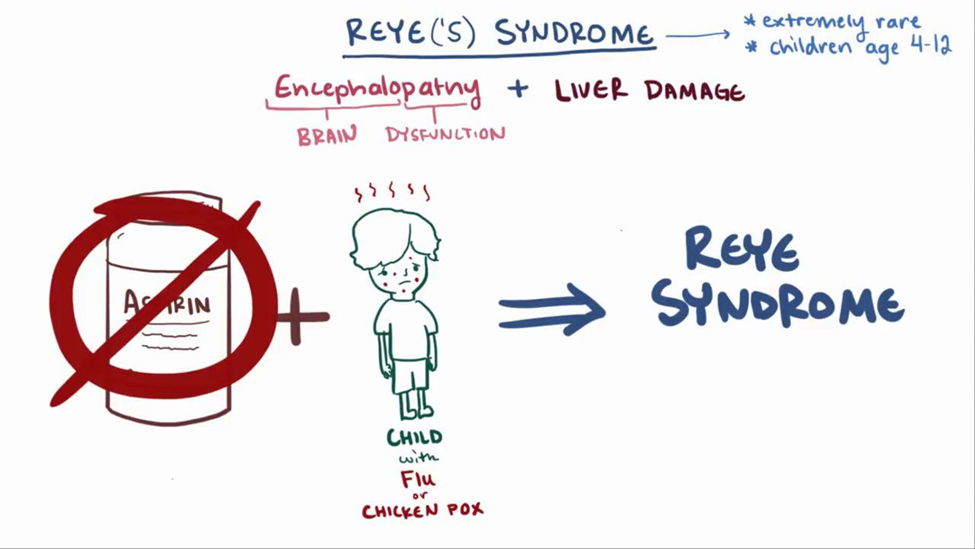
D. Aspirin has the potential to cause Reye's syndrome in children.
This is the correct and most significant concern. Reye's syndrome is a rare but severe condition associated with aspirin use in children during or after viral infections. It affects the liver and brain and can be life-threatening.
Correct Answer is A
Explanation
A. Ephedra:
Ephedra is an herb that contains ephedrine, a stimulant known to cause symptoms such as severe headache, diaphoresis, and restlessness. Ephedrine has been associated with cardiovascular side effects, leading to its restriction or banning in many countries.
B. Feverfew:
Feverfew is an herb commonly used for migraine prevention. It is not typically associated with severe headache, diaphoresis, or restlessness. Instead, it is known for its potential benefits in reducing the frequency and severity of migraines.
C. Garlic:
Garlic is an herb often used for various health purposes, including cardiovascular health. It is not known to cause severe headache, diaphoresis, or restlessness.
D. St. John's Wort:
St. John's Wort is an herb commonly used for mood-related conditions, such as mild to moderate depression. It is not associated with the symptoms described, and its primary effects are related to mood regulation.
Whether you are a student looking to ace your exams or a practicing nurse seeking to enhance your expertise , our nursing education contents will empower you with the confidence and competence to make a difference in the lives of patients and become a respected leader in the healthcare field.
Visit Naxlex, invest in your future and unlock endless possibilities with our unparalleled nursing education contents today