
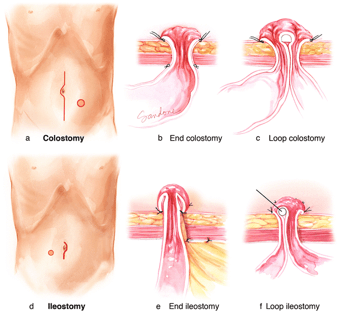
The practical nurse (PN) is assisting with preparation of a client for fecal diversion surgery. While inserting an indwelling urinary catheter, the client asks if the surgical opening will be visible.
Which action should the PN implement?
Review the client's expectations of elimination after surgery.
Verify that the client had nothing by mouth (NPO) for the past 24 hours.
Ask the client if he finished the bowel sterilization prescription.
Determine if this is the first indwelling catheter the client has had.
The Correct Answer is A
This is the best action for the PN to implement because it addresses the client's question and provides an opportunity to educate the client about the fecal diversion surgery and its outcomes. The PN should review the type, location, and appearance of the surgical opening (stoma) and explain how it will affect the client's elimination and body image.
Nursing Test Bank
Naxlex Comprehensive Predictor Exams
Related Questions
Correct Answer is D
Explanation
The PN should directly observe the UAP's performance and provide feedback and guidance as needed. This can help ensure that the UAP follows the standards of care and respects the client's dignity and preferences.
The other options are not correct because:
A. Asking another UAP to help the oriented may not be appropriate or necessary, as it may interfere with the orientation process and create confusion or conflict.
B. Verifying with the client that the bath was complete and thorough may not be sufficient or reliable, as the client may not be able to assess the quality of care or may not want to complain.
C. Inspecting the client's skin near the end of the bathing procedure may not be timely or comprehensive, as it may miss some aspects of care or some problems that occurred during the bath.
Correct Answer is B
Explanation
Ask the client to describe what happened.
Calling the agency-based client advocate (Choice A) should not be the first action taken in this situation. While involving an advocate might be necessary at some point, it is more appropriate to address the client's concerns and gather information about the incident first.
Completing a client adverse incident report (Choice C) is an important step to document theevent and any potential issues, but it should not be the first action taken. Before completing the report, the nurse needs to understand the situation from the client's perspective.
Informing the charge nurse of the situation (Choice D) is a reasonable step, but it should not be the first action. It may be necessary to escalate the issue, but understanding the situation from the client's viewpoint should be prioritized.
Whether you are a student looking to ace your exams or a practicing nurse seeking to enhance your expertise , our nursing education contents will empower you with the confidence and competence to make a difference in the lives of patients and become a respected leader in the healthcare field.
Visit Naxlex, invest in your future and unlock endless possibilities with our unparalleled nursing education contents today