
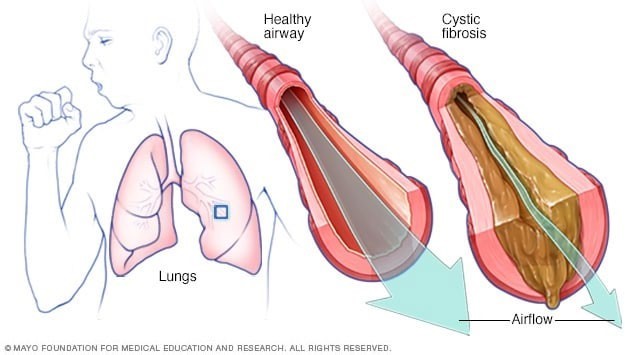
The practical nurse (PN) is assisting with the admission of a 12-month-old child with a history of frequent colds and growth failure. Testing is being planned for a possible diagnosis of cystic fibrosis (CF). Which information is most important for the PN to obtain?
The number of respiratory infections since birth.
The number of siblings in the family.
A description of the child's appetite.
The pattern of bowel movements.
The Correct Answer is D
The pattern of bowel movements is the most important information for the practical nurse (PN) to obtain when assisting with the admission of a 12-month-old child with a history of frequent colds and growth failure who is being tested for a possible diagnosis of cystic fibrosis (CF). CF can cause thick, sticky mucus to build up in the digestive tract, leading to problems with digestion and absorption of nutrients. This can result in bulky, greasy stools and growth failure.
The number of respiratory infections since birth (Option A) and a description of the child's appetite (Option C) are also important pieces of information, but they are not as critical as the pattern of bowel movements. The number of siblings in the family ( Option B) is not directly relevant to the child's medical condition.
Nursing Test Bank
Naxlex Comprehensive Predictor Exams
Related Questions
Correct Answer is A
Explanation
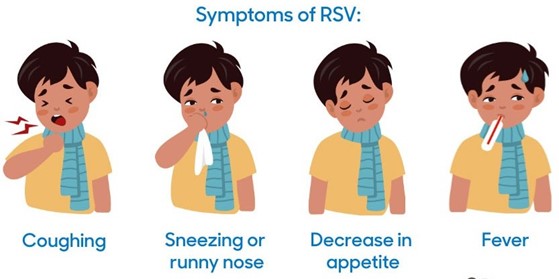
Respiratory syncytial virus (RSV) is a highly contagious virus that can cause severe respiratory infections, especially in infants and young children. RSV is easily spread through contact with respiratory secretions from infected individuals, and can survive on surfaces for several hours. Therefore, it is important to avoid exposing other children to RSV, especially those who are under 6 months old or have a weakened immune system. The practical nurse (PN) should advise the mother not to take her infant to the birthday party to prevent the spread of RSV to other children. The PN can provide education on how to prevent the spread of RSV, such as washing hands frequently, avoiding close contact with sick individuals, and covering the mouth and nose when coughing or sneezing.
Correct Answer is B
Explanation
The most important information for the PN to obtain at a health fair for high school students is their immunization history. This information is crucial for ensuring that the students are up-to-date on their vaccinations and protected against preventable diseases.
Option A, obtaining weight and height, is important for assessing overall health and growth but is not the most important information to obtain in this situation.
Option C, checking visual acuity, is also important but not the most crucial information to obtain.
Option D, asking about sexual activity, can provide useful information about the student's sexual health but is not the most important information to obtain in this situation.
Whether you are a student looking to ace your exams or a practicing nurse seeking to enhance your expertise , our nursing education contents will empower you with the confidence and competence to make a difference in the lives of patients and become a respected leader in the healthcare field.
Visit Naxlex, invest in your future and unlock endless possibilities with our unparalleled nursing education contents today