
The practical nurse (PN) is caring for a client with psychosis who demonstrates an inability to communicate effectively. Which method should the PN use to interact with the client?
Discourage group activities.
Engage in regular contact.
Touch the client when speaking.
Establish a no-harm contract.
The Correct Answer is B
the practical nurse (PN) should engage in regular contact with the client who demonstrates an inability to communicate effectively. Regular contact helps establish a therapeutic relationship and provides opportunities for observation and assessment of the client's needs and behavior. It also helps the PN to build trust with the client over time.
The other options listed are not appropriate methods for interacting with a client with psychosis who has difficulty communicating effectively:
A. Discouraging group activities: Group activities can be beneficial for individuals with psychosis as they provide opportunities for social interaction, skill-building, and support. It is important to encourage participation in appropriate group activities that are tailored to the client's needs and abilities.
C. Touching the client when speaking: Touching the client without their consent may be perceived as invasive or threatening, especially for individuals with psychosis who may already have difficulties with sensory processing or boundaries. It is important to respect the client's personal space and communicate through verbal means, maintaining a respectful and
non-intrusive approach.
D. Establishing a no-harm contract: No-harm contracts are typically used in the context of suicidal or self-harming behaviors to promote safety and identify support systems. While safety is important, it is not directly related to the communication difficulties associated with psychosis. Instead, the focus should be on developing a therapeutic relationship and finding effective means of communication with the client.
Nursing Test Bank
Naxlex Comprehensive Predictor Exams
Related Questions
Correct Answer is D
Explanation
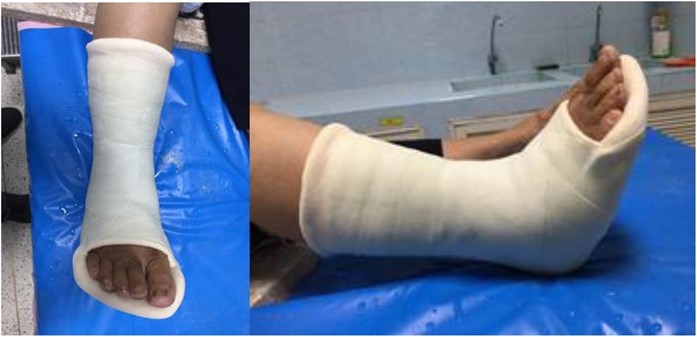
When providing instructions to a client with a below-the-knee cast for a compound fracture of the left ankle, it is important to prioritize their safety and proper care of the cast. The instruction to never scratch under the cast is crucial for preventing complications and maintaining the integrity of the cast.
Correct Answer is B
Explanation
After a hip arthroplasty with prosthesis placement, it is important to follow specific precautions to protect the surgical site and prevent dislocation of the hip joint. One common precaution is to avoid excessive internal rotation, adduction, and f
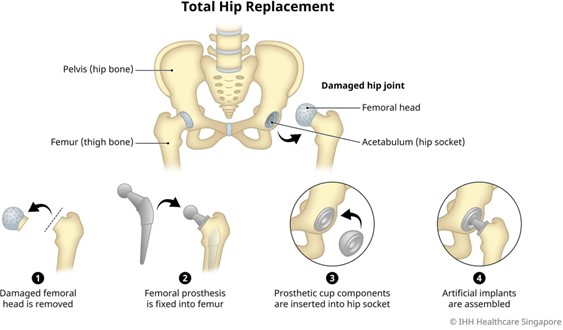
The other observations mentioned in the scenario are correct and demonstrate appropriate knowledge of the turning procedure:
A. Placing an abduction pillow between the client's legs helps maintain proper alignment and prevents adduction of the legs, which can cause hip dislocation.
C. Keeping the back straight and knees bent when moving the client promotes proper body mechanics and reduces the risk of injury to the UAPs.
D. Using a turning sheet under the client for turning and repositioning helps reduce friction and shearing forces, making the process safer and more comfortable for the client.
Whether you are a student looking to ace your exams or a practicing nurse seeking to enhance your expertise , our nursing education contents will empower you with the confidence and competence to make a difference in the lives of patients and become a respected leader in the healthcare field.
Visit Naxlex, invest in your future and unlock endless possibilities with our unparalleled nursing education contents today