
The practical nurse (PN) is contributing to a care plan for an adult client with Lyme disease. Which client outcome is indicated for this client?
States the importance of maintaining current immunization schedule.
Wears a mask each time when leaving the room.
Demonstrates disposal of personal tissues in no-touch receptacle.
Explains importance of wearing protective clothing when outdoors.
The Correct Answer is D
The correct answer is choice d. Explains importance of wearing protective clothing when outdoors.
Choice A rationale:
Maintaining a current immunization schedule is important for overall health, but it is not directly related to Lyme disease prevention or management, as there is no vaccine for Lyme disease in humans.
Choice B rationale:
Wearing a mask when leaving the room is a precaution for airborne diseases, not for Lyme disease, which is transmitted through tick bites.
Choice C rationale:
Disposal of personal tissues in a no-touch receptacle is a general infection control measure but does not specifically address Lyme disease prevention or management.
Choice D rationale:
Wearing protective clothing when outdoors is crucial for preventing tick bites, which are the primary mode of transmission for Lyme disease. This measure directly addresses the prevention of Lyme disease.
Nursing Test Bank
Naxlex Comprehensive Predictor Exams
Related Questions
Correct Answer is B
Explanation
This is the observation that indicates that the UAPs need additional information about the turning procedure because it is incorrect and may cause complications for the client. The client who had a hip arthroplasty with prosthesis placement should not keep both legs straight and together while turning because this may cause dislocation of the prosthesis, nerve damage, or bleeding. The client should keep the affected leg slightly abducted and supported with pillows or an abduction device.
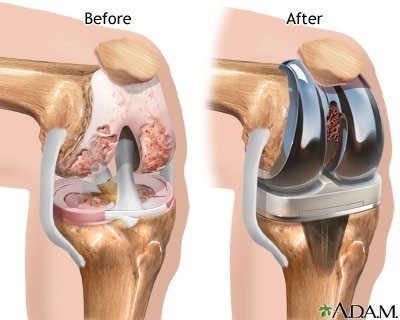
A. An abduction pillow is placed between the client's legs when positioned correctly and does not indicate a need for additional information. This helps to maintain proper alignment and prevent dislocation of the prosthesis.
C. A turning sheet is used under the client for turning and repositioning is correct and does not indicate a need for additional information. This helps to reduce friction and shear forces on the skin and prevent pressure ulcers.
D. The UAPs keep their backs straight and knees bent when moving the client is correct and does not indicate a need for additional information. This helps to protect their own musculoskeletal health and prevent injuries.
Correct Answer is A
Explanation
Troponin I and CK-MB are cardiac enzymes that are released into the bloodstream when the heart muscle is injured or necrotic. Elevated levels of these enzymes indicate that the client has suffered a myocardial infarction (MI) or heart attack. The damaged heart tissue can impair the electrical conduction system of the heart and cause abnormal heart rhythms or dysrhythmias, which can be life-threatening. The PN should monitor the client's cardiac status closely and report any changes to the charge nurse.
The other options are not correct because:
B. The client is not at risk for pulmonary embolism, which is a blockage of a pulmonary artery by a blood clot or other material. Pulmonary embolism does not cause elevated cardiac enzymes, but it can cause chest pain, shortness of breath, and hypoxia.
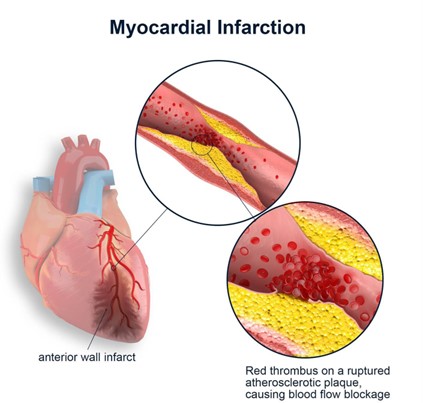
C. The client is not at risk for recurrent long-term angina pain, which is chest pain caused by reduced blood flow to the heart muscle due to narrowed or blocked coronary arteries. Angina pain does not cause elevated cardiac enzymes, but it can be a warning sign of an impending MI.
D. The lab results do not indicate risk factors for transient ischemic attack (TIA), which is a temporary interruption of blood flow to a part of the brain due to a clot or plaque. TIA does not cause elevated cardiac enzymes, but it can cause neurological symptoms such as weakness, numbness, or speech difficulties.
Whether you are a student looking to ace your exams or a practicing nurse seeking to enhance your expertise , our nursing education contents will empower you with the confidence and competence to make a difference in the lives of patients and become a respected leader in the healthcare field.
Visit Naxlex, invest in your future and unlock endless possibilities with our unparalleled nursing education contents today