
The spleen:
Resembles a large lymph node divided into lobules.
Produces T lymphocytes.
Filters lymph.
Consists of two lobes and is located in the mediastinum.
The Correct Answer is A
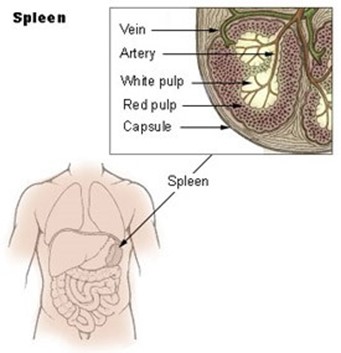
It is a major component of the lymphatic system and contains T and B lymphocytes.
Choice B is wrong because the spleen does not produce T lymphocytes, but rather stores them.
T lymphocytes are produced in the thymus.
Choice C is wrong because the spleen does not filter lymph, but rather blood. It traps bloodborne microbes and produces an immune response to them.
Choice D is wrong because the spleen consists of one lobe and is located in the upper left abdomen below the diaphragm.
The description in choice D matches the thymus, not the spleen.
The normal size of the spleen in adults is about 12 cm long, 8 cm broad, and 3-4 cm thick, weighing about 200 g.
The normal range of splenic index (the product of length, width, and thickness) is 120-480 cm.
Nursing Test Bank
Naxlex Comprehensive Predictor Exams
Related Questions
Correct Answer is A
Explanation
The right atrium receives blood directly from the superior vena cava, inferior vena cava, and coronary sinus.
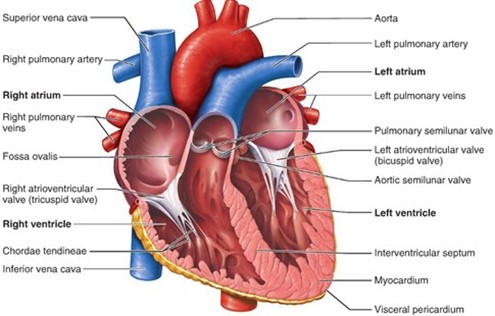
The superior vena cava and inferior vena cava bring deoxygenated blood from the upper and lower body, respectively.
The coronary sinus brings blood from the heart muscle.
Choice B is wrong because it excludes the coronary sinus, which also empties into the right atrium.
Choice C is wrong because it includes the pulmonary veins, which carry oxygenated blood from the lungs to the left atrium, not the right atrium.
Choice D is wrong because it only includes the pulmonary veins, which are not connected to the right atrium at all.
Correct Answer is A
Explanation
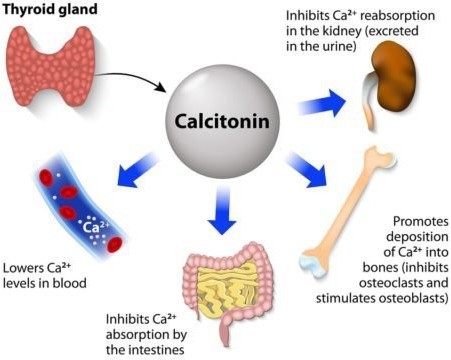
Calcitonin is a hormone that protects against excessive blood calcium levels by inhibiting bone turnover and decreasing reabsorption.
It is produced by the thyroid gland and acts on both osteoclasts and osteoblasts.
Choice B is wrong because parathyroid hormone (PTH) stimulates both resorption and formation of bone, and controls the level of calcium in the blood.
Choice C is wrong because thyroxine is a thyroid hormone that is required for skeletal maturation and influences adult bone maintenance but does not directly affect calcium deposition into bone.
Choice D is wrong because insulin is a hormone that regulates both bone formation and bone resorption but does not specifically stimulate calcium deposition into bone.
Whether you are a student looking to ace your exams or a practicing nurse seeking to enhance your expertise , our nursing education contents will empower you with the confidence and competence to make a difference in the lives of patients and become a respected leader in the healthcare field.
Visit Naxlex, invest in your future and unlock endless possibilities with our unparalleled nursing education contents today