
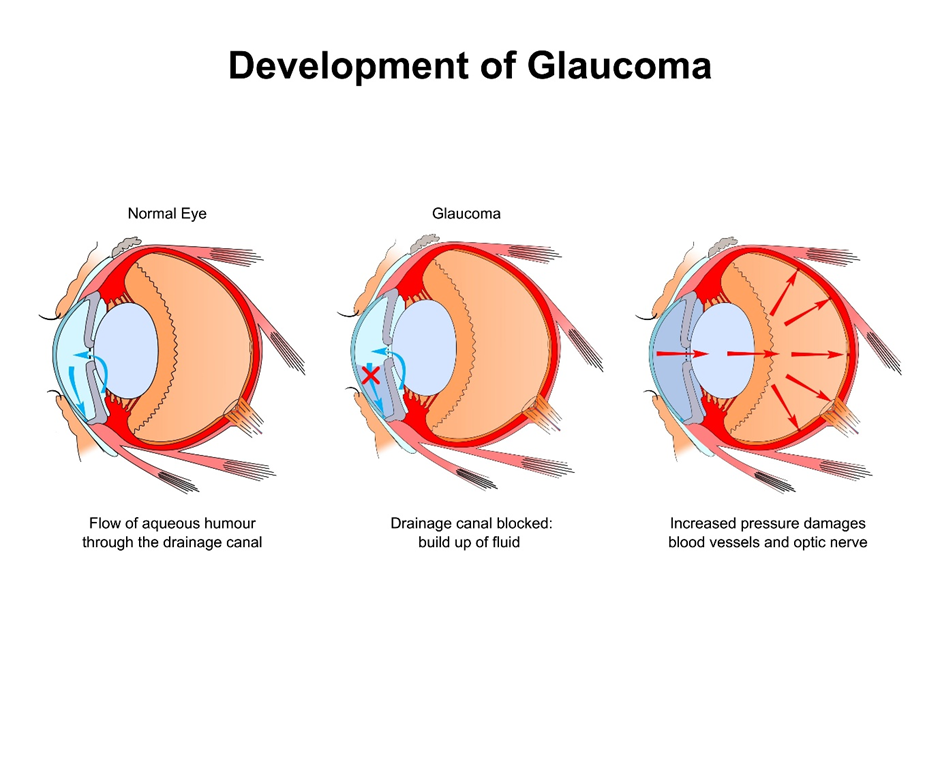
What disorder of vision is characterized by pressure on the optic nerve from elevated intraocular pressure (IOP)?
Diabetic retinopathy
Age-related macular degeneration
Cataracts
Glaucoma
The Correct Answer is D
A. Diabetic retinopathy: This is caused by damage to the blood vessels of the light-sensitive tissue at the back of the eye (retina) due to high blood sugar.
B. Age-related macular degeneration: This involves the breakdown of the macula (the center of the retina), leading to loss of central vision, not pressure-related nerve damage.
C. Cataracts: This is the clouding of the lens of the eye, which obstructs light but does not involve IOP or optic nerve pressure.
D. Glaucoma: Glaucoma is specifically defined by increased intraocular pressure that damages the optic nerve, leading to progressive vision loss.
Nursing Test Bank
Naxlex Comprehensive Predictor Exams
Related Questions
Correct Answer is D
Explanation
A. Benign fibroadenoma: These are common benign breast lumps and would not be treated with a salpingo-oophorectomy (removal of fallopian tubes and ovaries).
B. PID: This is an infection of the reproductive organs. While it causes pelvic pain and fever, it is treated with antibiotics, not a surgical removal of the ovaries as a primary diagnostic response to a positive HE4 test.
C. Dysmenorrhea: This is simply the medical term for painful menstrual cramps.
D. Ovarian tumor: The HE4 (Human Epididymis Protein 4) test is a biomarker used specifically to monitor or screen for ovarian cancer. A salpingo-oophorectomy is the surgical removal of the ovaries and tubes, the standard treatment for an ovarian tumor.
Correct Answer is C
Explanation
A. Hashimoto thyroiditis: This is an autoimmune condition that usually leads to hypothyroidism (low T3/T4), resulting in weight gain and cold intolerance, the opposite of this patient.
B. Myxedema: This is a term for severe, advanced hypothyroidism. It presents with lethargy and swelling, not tachycardia or heat intolerance.
C. Graves' disease: This is a form of hyperthyroidism. The hallmark signs include "protruding eyeballs" (exophthalmos), heat intolerance, weight loss, and elevated thyroid hormones (T3 and T4).
D. Simple goiter: This is an enlargement of the thyroid gland, often due to iodine deficiency, but it does not typically cause the systemic hyperthyroid symptoms or the eye changes seen here.
Whether you are a student looking to ace your exams or a practicing nurse seeking to enhance your expertise , our nursing education contents will empower you with the confidence and competence to make a difference in the lives of patients and become a respected leader in the healthcare field.
Visit Naxlex, invest in your future and unlock endless possibilities with our unparalleled nursing education contents today