
What is the most likely cause of early decelerations in the fetal heart rate (FHR) pattern?
Spontaneous rupture of membranes
Uteroplacental insufficiency
Umbilical cord compression
Altered fetal cerebral blood flow
The Correct Answer is D
D. Altered fetal cerebral blood flow can manifest as early decelerations. early decelerations occur due to reduced oxygen supply to the fetal brain before the contraction has peaked.


A. Spontaneous rupture of membranes (SROM), also known as the breaking of the amniotic sac, typically does not directly cause early decelerations in the FHR pattern. SROM can lead to changes in the FHR pattern, but early decelerations are not a typical response to membrane rupture.
B. Uteroplacental insufficiency refers to inadequate blood flow and oxygen delivery from the mother to the placenta and fetus. It can result in late decelerations in the FHR pattern, not early decelerations. Late decelerations are associated with compromised placental perfusion, leading to fetal hypoxia after the contraction peaks.
C. Umbilical cord compression can cause late decelerations in the FHR pattern. During contractions, pressure on the umbilical cord can transiently decrease blood flow to the fetus, leading to a vagal response and resulting in late decelerations.
Nursing Test Bank
Naxlex Comprehensive Predictor Exams
Related Questions
Correct Answer is C
Explanation
C. This maneuver is often the initial nursing intervention for late decelerations. Placing the client in the lateral position (preferably left lateral tilt) improves maternal perfusion and blood flow to the placenta by reducing compression of the inferior vena cava and increasing uterine perfusion. This can help alleviate or reduce the severity of late decelerations.
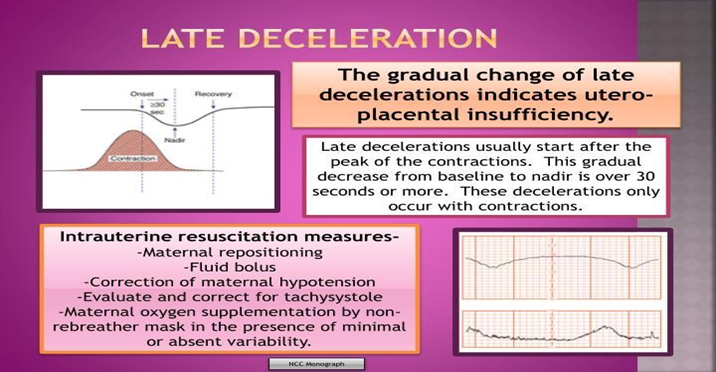
A. While maintaining adequate hydration and perfusion is important, increasing the IV infusion rate alone may not immediately address the underlying cause of late decelerations, which is uteroplacental insufficiency.
B. Not the first action. Elevating the client's legs can improve venous return to the heart and increase cardiac output in the mother, but it does not directly address fetal oxygenation. It's not typically the first intervention for late decelerations.
D. While oxygen administration is important for improving fetal oxygenation in cases of late decelerations, it typically follows positioning changes. Oxygen helps increase oxygen delivery to the fetus by increasing maternal oxygen saturation, but it is not as immediately effective as repositioning the mother.
Correct Answer is ["9"]
Explanation
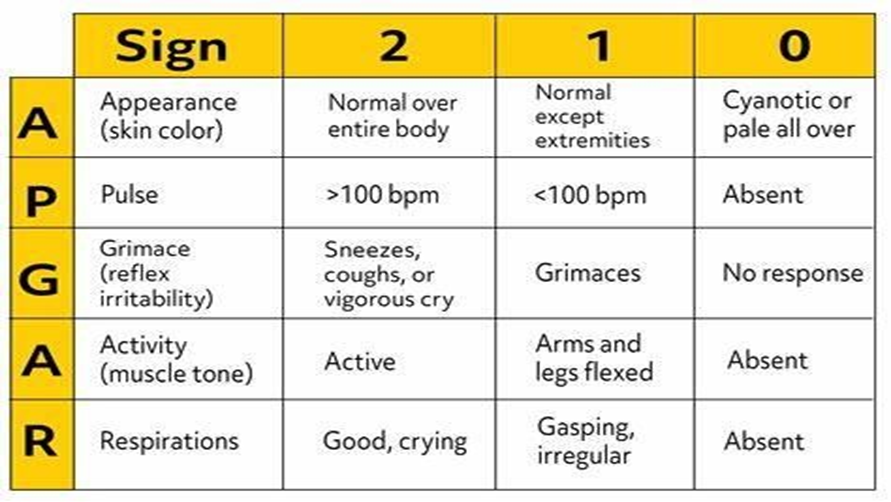
Total Apgar score = 3 (color) + 2 (heart rate) + 1 (respiratory effort) + 1 (muscle tone) + 2 (reflex irritability) = 9
Whether you are a student looking to ace your exams or a practicing nurse seeking to enhance your expertise , our nursing education contents will empower you with the confidence and competence to make a difference in the lives of patients and become a respected leader in the healthcare field.
Visit Naxlex, invest in your future and unlock endless possibilities with our unparalleled nursing education contents today