
What is the name of the hormone at A?
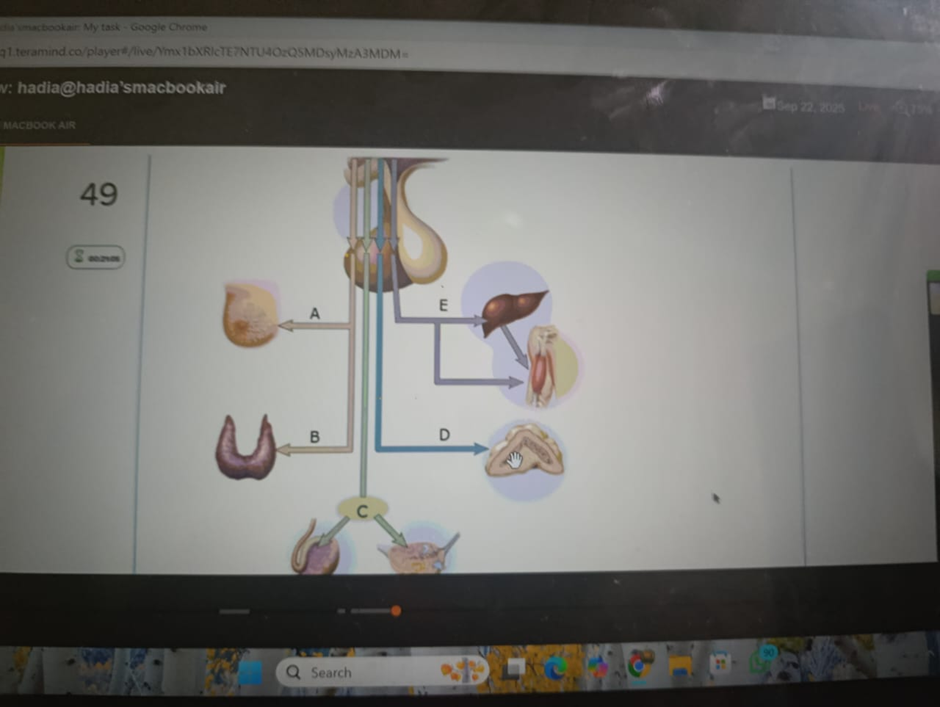
Prolactin
Follicle-stimulating hormone
Oxytocin
Adrenocorticotropic hormone
The Correct Answer is A
A. Prolactin: Prolactin is secreted by the anterior pituitary and stimulates milk production (mammary gland alveolar cells). The arrow at A points to the breast, so prolactin is the appropriate hormone.
B. Follicle-stimulating hormone: FSH is an anterior-pituitary gonadotropin that acts on the ovaries/testes to stimulate follicle development and spermatogenesis, not directly on the mammary gland.
C. Oxytocin: Oxytocin (produced in the hypothalamus and released from the posterior pituitary) causes milk ejection (let-down) and uterine contraction, but the diagram’s arrow and context indicate the anterior-pituitary hormone that stimulates milk production (prolactin).
D. Adrenocorticotropic hormone: ACTH (from the anterior pituitary) targets the adrenal cortex to stimulate cortisol production, not the mammary gland.
Nursing Test Bank
Naxlex Comprehensive Predictor Exams
Related Questions
Correct Answer is A
Explanation
True: O₂ binds to the heme (iron) portion of hemoglobin, whereas CO₂ binds primarily to amino groups on the globin (forming carbaminohemoglobin) and much CO₂ is also converted to bicarbonate inside RBCs, so they bind/are carried at different sites/forms.
Correct Answer is {"dropdown-group-1":"D","dropdown-group-2":"D"}
Explanation
A. adrenal medulla; epinephrine: The adrenal medulla secretes epinephrine (and norepinephrine) for fight-or-flight effects (heart rate, glycogenolysis); it is not the main hormone that promotes Na⁺ and water retention.
B. pancreas; cortisol: The pancreas secretes insulin and glucagon, not cortisol; cortisol is produced by the adrenal cortex and has limited mineralocorticoid activity but is not the principal Na⁺/water-retaining hormone.
C. kidneys: corticosterone: The kidneys do not secrete corticosterone; corticosterone is an adrenal steroid (minor mineralocorticoid in some species).
D. adrenal cortex, aldosterone: Aldosterone (zona glomerulosa of the adrenal cortex) increases Na⁺ reabsorption and water retention and promotes K⁺ excretion in the kidney.
E. thyroid: calcitonin: Calcitonin from the thyroid lowers blood Ca²⁺ and has no role in Na⁺/water retention.
Whether you are a student looking to ace your exams or a practicing nurse seeking to enhance your expertise , our nursing education contents will empower you with the confidence and competence to make a difference in the lives of patients and become a respected leader in the healthcare field.
Visit Naxlex, invest in your future and unlock endless possibilities with our unparalleled nursing education contents today