
What is the name of the hormone at D?
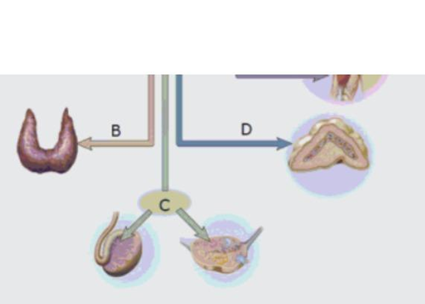
Growth hormone
Prolactin
Thyroid stimulating hormone
Gonadotropins
ACTH
The Correct Answer is E
Nursing Test Bank
Naxlex Comprehensive Predictor Exams
Related Questions
Correct Answer is A
Explanation
A. Kidneys: Antidiuretic hormone primarily targets the principal cells of the collecting ducts and distal convoluted tubules in the nephron. It triggers the insertion of aquaporin-2 water channels into the apical membrane, significantly increasing water reabsorption. This mechanism conserves body water and concentrates the urine to maintain osmolarity.
B. adrenal gland: While the adrenal gland is involved in fluid balance via aldosterone, it is not the primary target of ADH. ADH and aldosterone work through different mechanisms in different regions of the kidney. ADH does not stimulate the secretion of hormones from the adrenal cortex or medulla.
C. anterior pituitary: The anterior pituitary is part of the endocrine signaling cascade but does not serve as an effector organ for ADH. ADH is released from the posterior pituitary and bypasses the anterior lobe to reach its systemic targets. There are no significant ADH receptors located within the adenohypophysis.
D. hypothalamus: The hypothalamus serves as the site of ADH synthesis and contains the osmoreceptors that trigger its release. It acts as the control center rather than the downstream target organ. ADH is secreted into the blood to exert its physiological effects on distant peripheral tissues.
E. pancreas: The pancreas is responsible for regulating blood glucose through the secretion of insulin and glucagon. It does not play a direct role in the homeostatic regulation of water reabsorption or plasma osmolarity managed by ADH. There are no established physiological targets for ADH within the pancreatic tissue.
Correct Answer is ["Erythropoietin"]
Explanation
In response to inadequate oxygen transport, the kidneys and liver increase the synthesis and secretion of the glycoprotein hormone erythropoietin (EPO). This hormone is released into the systemic circulation to act as a chemical messenger. It serves as the primary stimulus for the acceleration of red blood cell production.
Whether you are a student looking to ace your exams or a practicing nurse seeking to enhance your expertise , our nursing education contents will empower you with the confidence and competence to make a difference in the lives of patients and become a respected leader in the healthcare field.
Visit Naxlex, invest in your future and unlock endless possibilities with our unparalleled nursing education contents today