
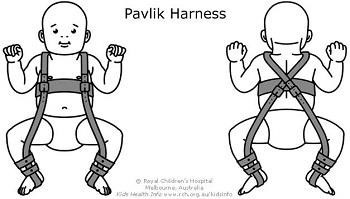
Which factor should the nurse include when teaching a parent about the care of a newborn in a Pavlik harness for hip dysplasia?
The harness maintains the hips in flexion, abduction, and external rotation.
The harness may be removed with every diaper change.
The harness is only the first step of treatment.
The harness is worn for 2 weeks.
The Correct Answer is A
A. The harness maintains the hips in flexion, abduction, and external rotation
The factor that the nurse should include when teaching a parent about the care of a newborn
in a Pavlik harness for hip dysplasia is that the harness maintains the hips in flexion,
abduction, and external rotation. The Pavlik harness is a commonly used device for the
treatment of developmental dysplasia of the hip (DDH) in infants. It is designed to hold the
hips in a position that promotes proper alignment and development.
The harness maintains the hips in flexion, abduction and external rotation in (Option B) is
incorrect. The Pavlik harness should not be removed with every diaper change. The harness
needs to be worn consistently as directed by the healthcare provider to ensure the
effectiveness of the treatment.
The harness is the only first step of treatment in (Option C) is incorrect. While the Pavlik
harness is an important step in the treatment of hip dysplasia, it is not the only step.
Additional treatments, such as bracing or surgical interventions, may be required depending
on the severity of the condition.
The harness in worn for 2 weeks in (Option D) is incorrect. The duration for which the Pavlik
harness is worn can vary depending on the individual case and the healthcare provider's
instructions. It is typically worn for several weeks to months, and the specific duration will be
determined by the healthcare provider based on the child's progress and response to
treatment.
Nursing Test Bank
Naxlex Comprehensive Predictor Exams
Related Questions
Correct Answer is D
Explanation
Precocious puberty is the early onset of puberty before the age of 8 in girls and before the age of 9 in boys. It is important for parents of a child with precocious puberty to understand theimpact it may have on their child's social and emotional development. In this case, explaining the importance of the child having relationships with same-age peers is crucial.
Children experiencing precocious puberty may appear physically more mature than their peers, which can lead to social and emotional challenges. Encouraging the child to maintain relationships with same-age peers helps foster a sense of normalcy and belonging. It can also support the child's social and emotional development by providing opportunities for age- appropriate interactions, friendships, and experiences.
Correct Answer is A
Explanation
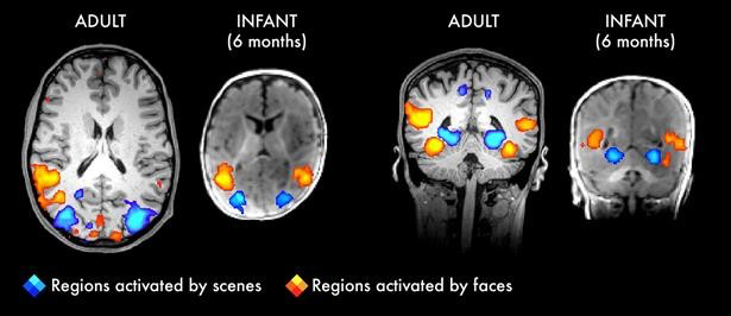
The statement that accurately describes the difference between the central nervous system (CNS) of a child and an adult is option A. The brain of a term infant weighs less than half of the weight of the adult brain. The brain undergoes significant growth and development during childhood and continues to develop until early adulthood. At birth, the brain is only a fraction of its adult weight, and it continues to grow and mature over time.
infant has 150 mL of cerebrospinal fluid (CSF) compared with 50 mL in the adult in (option B), is incorrect. The volume of CSF in the CNS is not a significant difference between children and adults.
coordination and fine motor skills develop as myelination of peripheral nerves progresses in (option C), is an incorrect statement. Myelination is an ongoing process that occurs throughout childhood and contributes to the development of coordination and fine motor skills.
papilledema is a common manifestation of increased intracranial pressure (ICP) in the very young child in (option D), is not correct. Papilledema refers to swelling of the optic disc and is not commonly seen in very young children. Signs of increased ICP in young children may present differently compared to adults and can include altered mental status, irritability, vomiting, and changes in vital signs.
Whether you are a student looking to ace your exams or a practicing nurse seeking to enhance your expertise , our nursing education contents will empower you with the confidence and competence to make a difference in the lives of patients and become a respected leader in the healthcare field.
Visit Naxlex, invest in your future and unlock endless possibilities with our unparalleled nursing education contents today