
Which fluid output measurement is the most concerning for a nurse?
60 mL of urine in a 2-hour period
720 mL of urine in a 24-hour period
600 mL of urine in a 10-hour period
100 mL of urine in a 5-hour period
The Correct Answer is D
Choice A reason: 60 mL of urine in a 2-hour period is not very concerning for a nurse, as it is within the normal range of urine output. The average urine output for an adult is about 1 to 2 L per day, or 40 to 80 mL per hour¹.
Choice B reason: 720 mL of urine in a 24-hour period is slightly below the normal range, but not alarming. It may indicate mild dehydration or reduced fluid intake, but it is not a sign of fluid volume excess or kidney failure¹.
Choice C reason: 600 mL of urine in a 10-hour period is also within the normal range of urine output, and does not indicate any problem with fluid balance or renal function¹.
Choice D reason: 100 mL of urine in a 5-hour period is the most concerning for a nurse, as it indicates oliguria, or abnormally low urine output. Oliguria is defined as urine output less than 400 mL per day, or less than 20 mL per hour². It may be caused by acute or chronic kidney injury, urinary obstruction, shock, dehydration, or fluid volume excess². Oliguria can lead to fluid overload, electrolyte imbalance, acidosis, and uremia, and requires immediate medical attention².
Nursing Test Bank
Naxlex Comprehensive Predictor Exams
Related Questions
Correct Answer is A
Explanation
Choice A reason: Narrow, peaked T waves are a sign of hyperkalemia, which is a high level of potassium in the blood. Potassium is an electrolyte that affects the electrical activity of the heart. Hyperkalemia can cause the T waves, which represent the repolarization of the ventricles, to become narrow and peaked, indicating a rapid and excessive repolarization.
Choice B reason: ST elevation is a sign of myocardial infarction, which is a heart attack. It indicates that the myocardium, or the heart muscle, is damaged and deprived of oxygen. ST elevation is not related to the potassium level, but rather to the coronary artery blood flow.
Choice C reason: Peaked P waves are a sign of atrial hypertrophy, which is an enlargement of the atria, the upper chambers of the heart. It indicates that the atria are under increased pressure or workload. Peaked P waves are not related to the potassium level, but rather to the atrial function.
Choice D reason: Prominent U waves are a sign of hypokalemia, which is a low level of potassium in the blood. Potassium is an electrolyte that affects the electrical activity of the heart. Hypokalemia can cause the U waves, which represent the repolarization of the Purkinje fibers, to become prominent and visible, indicating a delayed and prolonged repolarization.
Correct Answer is C
Explanation
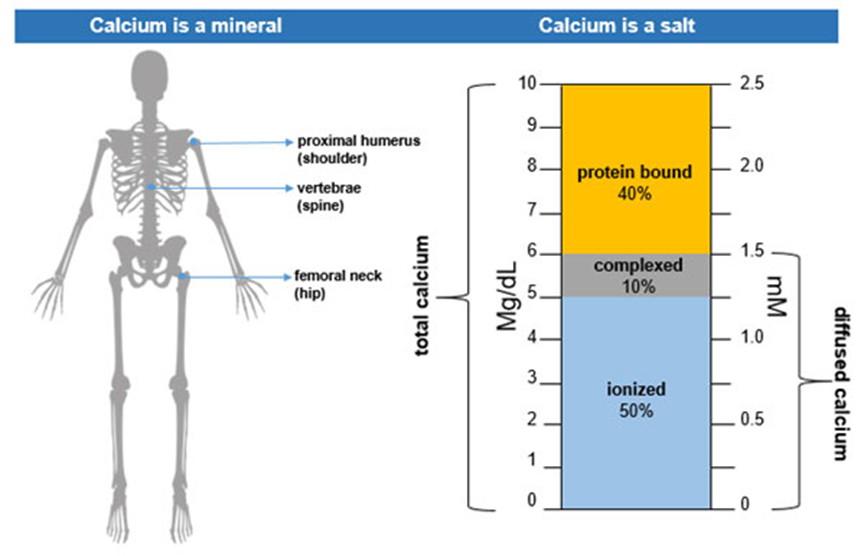
Choice A reason: This is a low value for serum calcium, which indicates hypocalcemia. Hypocalcemia can cause muscle spasms, tetany, seizures, and cardiac arrhythmias.
Choice B reason: This is also a low value for serum calcium, which indicates hypocalcemia. Hypocalcemia can cause muscle spasms, tetany, seizures, and cardiac arrhythmias.
Choice C reason: This is the normal range of serum calcium in adults. Calcium is essential for bone health, muscle contraction, nerve transmission, and blood clotting.
Choice D reason: This is a high value for serum calcium, which indicates hypercalcemia. Hypercalcemia can cause nausea, vomiting, constipation, confusion, lethargy, and kidney stones.
Whether you are a student looking to ace your exams or a practicing nurse seeking to enhance your expertise , our nursing education contents will empower you with the confidence and competence to make a difference in the lives of patients and become a respected leader in the healthcare field.
Visit Naxlex, invest in your future and unlock endless possibilities with our unparalleled nursing education contents today